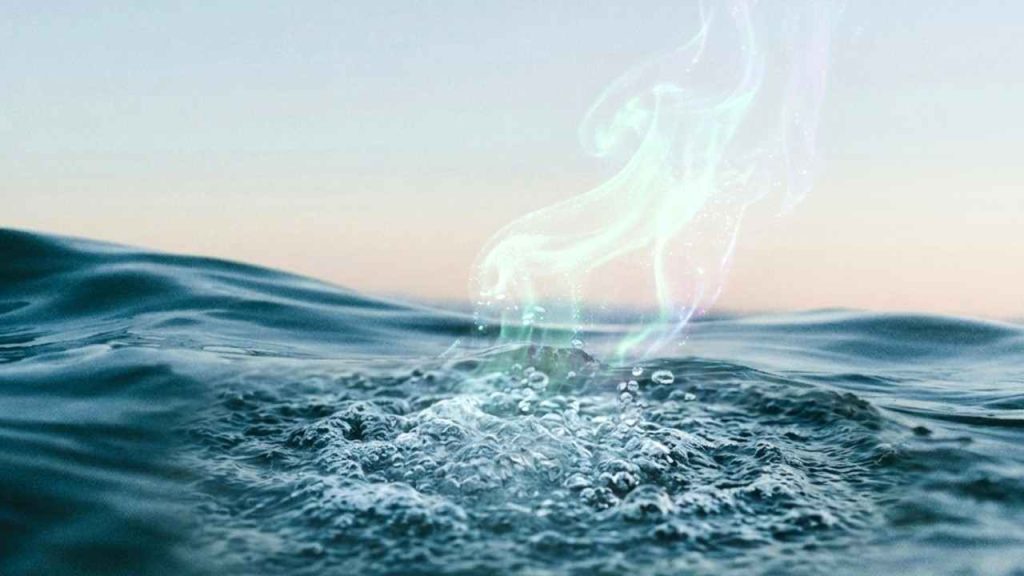
Bacteria in the ocean are doing something that doesn’t make much sense at first glance. They’re producing methane even in places where, based on what scientists thought until now, that shouldn’t really be possible—in oxygen-rich waters. Researchers at the University of Rochester have now figured out why this is happening, and the discovery is anything but reassuring.
Methane is one of the most powerful greenhouse gases on the planet. That’s exactly why scientists have spent decades trying to understand why it bubbles up from the ocean’s surface, even though those waters are loaded with oxygen. Under normal conditions, methane is mostly linked to oxygen-free environments, like wetlands, mud, or deep-sea sediments.
The Problem Starts When There’s Too Little Phosphate in the Water
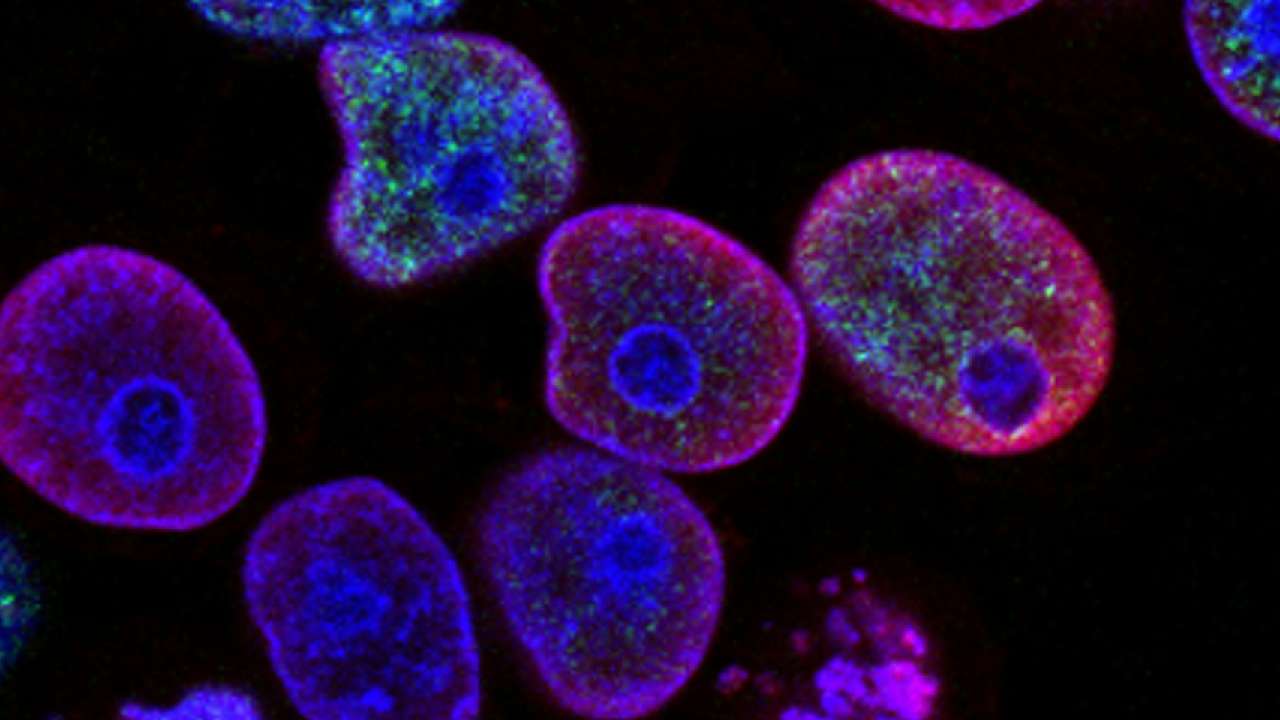
Researchers Thomas Weber and his team analyzed global data and built computer models to crack this paradox. They found that bacteria and other microbes are behind methane production in the open ocean, churning it out as a byproduct when they break down organic compounds.
One key factor makes all the difference: the amount of phosphate in the water. These bacteria only start producing methane when this nutrient runs low. Phosphate is crucial for marine microorganisms because it supplies phosphorus, an element they need for basic biological processes. When phosphate levels drop, a mechanism kicks in that also generates methane.
“This means that phosphate scarcity is the primary control knob for methane production and emissions in the open ocean,” Weber explains.
This discovery flips the script on how scientists have understood methane formation in the ocean. What long seemed like a weird paradox could actually be a pretty common process in regions where surface waters are low in phosphate. In short, the ocean might be releasing methane more often than scientists once thought.
Warming Oceans Could Worsen the Lack of Nutrients Near the Surface
Weber and his colleagues weren’t just explaining what’s happening today. They also modeled what could happen in the future if the planet keeps warming. And that’s where things get even more complicated.
Climate change is warming the ocean mainly from the top down. That ramps up the density difference between warmer surface water and colder water below. The greater that gap, the tougher it is for those layers to mix.
“Climate change is warming the ocean from the top down, increasing the density difference between surface and deep waters. This is expected to slow the vertical mixing that carries nutrients like phosphate up from depth,” Weber says.
When vertical mixing slows, less phosphate rises from deeper layers to the surface. According to the researchers’ models, surface waters could become even poorer in this nutrient, setting the stage for more methane-producing microbes.
A Dangerous Feedback Loop Could Make Climate Change Even Worse
The oceans could end up pumping more methane into the atmosphere than they do today. And since methane is such a potent greenhouse gas, this doesn’t just add another problem—it sparks a feedback loop that could crank up warming even more.
Warmer oceans may create ideal conditions for higher methane production. More methane in the atmosphere would then drive even greater planetary warming. That, in turn, could weaken ocean mixing further and worsen the surface nutrient shortage. That’s how a vicious cycle takes shape, offering the climate no break at all.
What makes this especially troubling is that the key process happens at the microbial level. You’d never spot it with the naked eye on the ocean surface. Yet these tiny organisms could dictate how much methane escapes from the sea into the atmosphere.
Climate Models Still Don’t Fully Capture This Mechanism
The issue is that most of today’s climate models still don’t account for this mechanism. That could throw off estimates of how much oceans might contribute to future warming through natural methane emissions.
“Our work will help fill a key gap in climate predictions, which often overlook interactions between the changing environment and natural greenhouse gas sources to the atmosphere,” Weber adds.
The findings from the University of Rochester team were published in the prestigious journal Proceedings of the National Academy of Sciences.
If further research confirms these processes, climate scientists will need to refine their models. This isn’t a small tweak. If warming oceans really start releasing more methane, it’ll be yet another sign that climate change isn’t just driven by human emissions—it’s also how the planet itself responds to that warming.