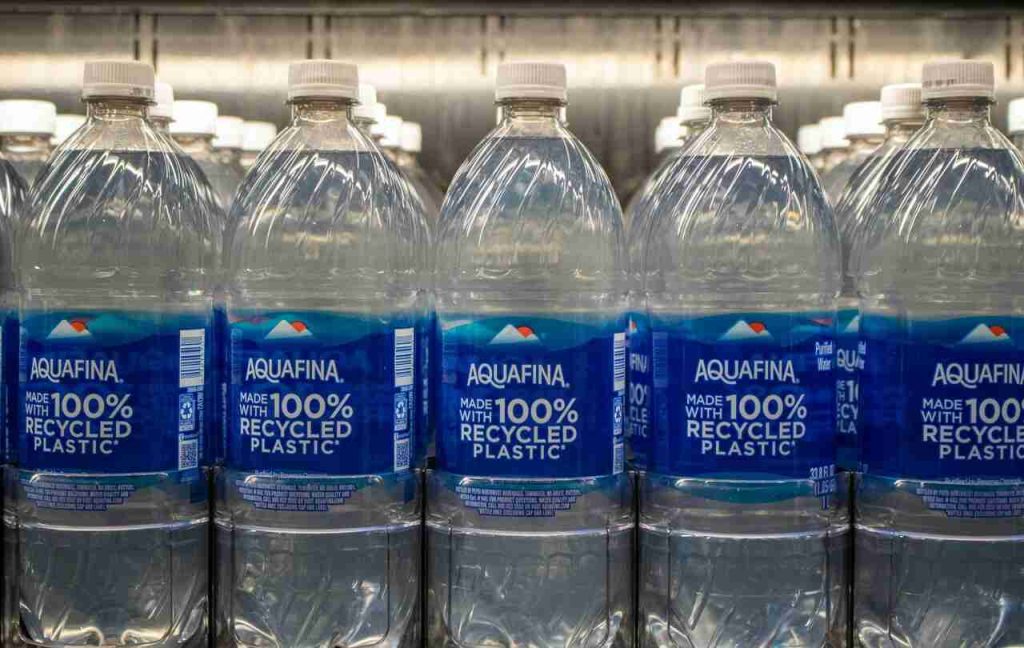
You grab a bottle of sparkling water at the store and feel like you’re doing something good for your waistline. That hunch might not be totally off-base. Japanese physician Akira Takahashi from Shijonawate Hospital suggested that sparkling water may slightly affect how the body processes glucose, or blood sugar. The catch? The effect is so tiny that it won’t lead to any real weight loss on its own.
Takahashi drew an unusual comparison. He linked drinking sparkling water to hemodialysis, a treatment where a machine filters the blood of patients with failing kidneys. It sounds weird at first. But what caught his eye wasn’t the treatment itself—it was the chemical changes in the blood during the process.
Carbon Dioxide May Slightly Affect How Glucose Is Processed
When you drink sparkling water, you’re taking in carbon dioxide. Some of it gets absorbed through the wall of the digestive tract and quickly turns into bicarbonate in the blood. In simple terms, this is a substance that helps maintain the body’s acid-base balance. According to the author, that shift could theoretically create conditions where certain enzymes work a bit more actively and glucose gets used up faster.
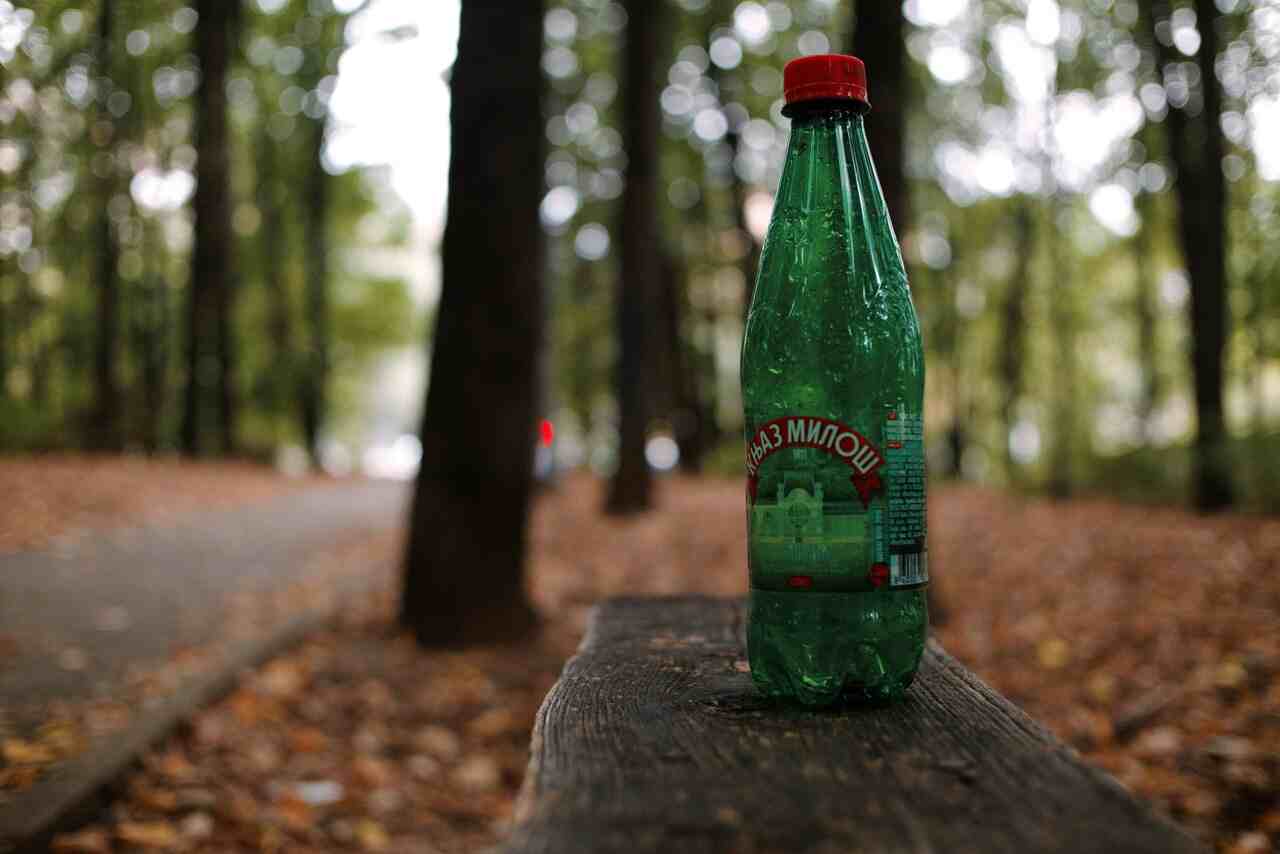
That said, this isn’t some dramatic metabolic breakthrough. It’s more of a small biochemical tweak—fascinating from a physiology perspective, but with very limited real-world impact. In other words, your body won’t suddenly start burning calories at a wildly different rate just from a glass of sparkling water.
Takahashi spotted a similar mechanism during hemodialysis too. As blood flows through the dialysis machine, its chemical makeup shifts, and doctors see glucose levels drop. That’s what sparked the idea that carbon dioxide might have a small effect when you drink carbonated water.
9.5 Grams of Glucose over Four Hours Isn’t Exactly a Miracle
Takahashi calculated exactly how much glucose gets used up in this process. In a four-hour hemodialysis session, about 48 liters of blood pass through the dialyzer. The result? Only about 9.5 grams of glucose are processed this way.
To put that in perspective, one teaspoon of sugar weighs about 4 grams. So over four hours, that’s roughly the equivalent of two to two and a half teaspoons of sugar. No wonder the author says sparkling water isn’t a shortcut to weight loss. Even if there’s some effect, it’s more symbolic than practical.
“Given this minimal glucose reduction, the impact of CO2 in carbonated water is not a standalone solution for weight loss. A balanced diet and regular physical activity remain crucial components of sustainable weight management,” he insists.
Sparkling Water May Make You Feel Fuller, but It Doesn’t Agree with Everyone
The reason some folks think sparkling water aids weight loss is straightforward. The bubbles can briefly ramp up the feeling of fullness in your stomach, so you might not feel like eating right away. But that doesn’t mean the water burns fat or turbocharges your metabolism. At best, it helps with satiety for a short while.
Still, sparkling water has downsides. People with sensitive stomachs, acid reflux, or irritable bowel syndrome might deal with bloating, abdominal pressure, or heartburn. That’s because carbon dioxide ramps up gas in the digestive tract, and not every body handles it well.
“Also, drinking carbonated water can have some effects on the digestive system, particularly for individuals with sensitive stomachs or pre-existing gastrointestinal conditions. The primary concerns include bloating, gas and, in some cases, exacerbation of certain symptoms associated with digestive disorders, such as irritable bowel syndrome or gastro-oesophageal reflux disease,” he explains.
Takahashi recommends moderation. An occasional sparkling water is fine, but relying on it as a daily weight-loss hack is overkill—especially if your gut protests more than it thanks you.
“Moderation is key to avoiding discomfort while still enjoying the possible metabolic benefits of carbonated water,” he says.
The Bubbles Haven’t Turned into a Weight-Loss Trick Backed by Solid Studies
It wasn’t just the analysis author urging caution. Professor Sumantra Ray, who leads the NNEdPro Global Institute for Food, Nutrition and Health, noted that the link between sparkling water and glucose metabolism is still more hypothesis than proven fact. The idea is intriguing, but we lack enough robust human studies to confirm if it matters in real life.
“While there is a hypothetical link between carbonated water and glucose metabolism this has yet to be tested in well designed human intervention studies. And although this study adds to the evidence base, it doesn’t provide sufficient evidence on which to make recommendations for the preventive or therapeutic use of carbonated water. Additionally, any potential benefits must be weighed up against the potential harms of carbonated drinks which may contain sodium, glucose, or other additives.”
This is key because when people hear “carbonated drink,” they often think beyond plain sparkling water—to flavored versions and sweet sodas. And that’s where things fall apart fast. If it’s loaded with sugar, syrup, or additives, any tiny benefits vanish.