A promising new strategy is shaking up the fight against cancer, with potential to boost treatments down the line. Brazilian scientists tweaked immune cells to hit tumors harder—and make them easier to manage.
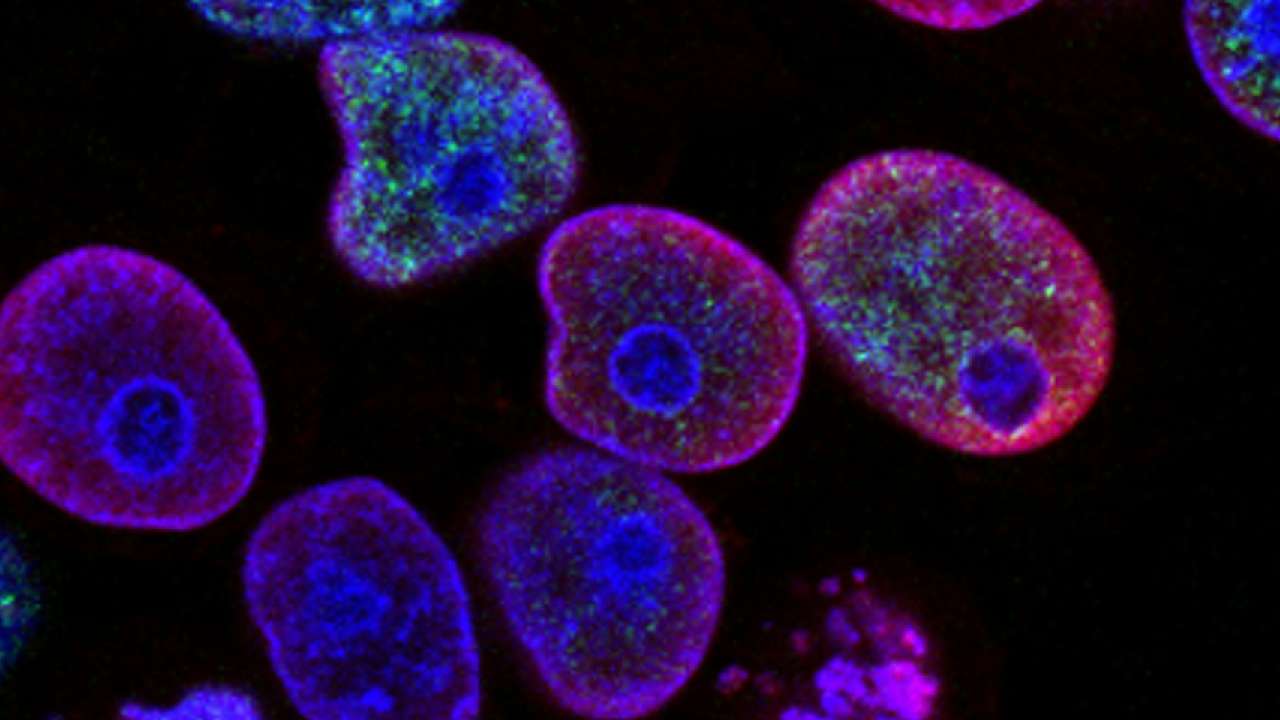
At the Ribeirão Preto Blood Center and the Center for Cell-Based Therapy, researchers zeroed in on natural killer (NK) cells. These immune system warriors spot and take out damaged or cancerous cells. The team aimed to sharpen them up for even deadlier attacks. The breakthrough got spotlighted by agencia.fapesp.br.
New Receptors Gear NK Cells for Battle
The breakthrough came from custom chimeric antigen receptors (CARs). These lab-engineered receptors help cells lock onto targets faster and hit back harder. The researchers added special costimulatory domains: 2B4 and DAP12.
These act like an internal trigger, revving the cells into high gear. When the upgraded NK cells bump into a tumor, they react quicker and stronger—putting them in full “attack mode,” as the scientists describe it.
“The tests showed that these components helped put the cells into a ready-to-attack state, increasing their ability to destroy tumors,” the study in Frontiers in Immunology reports.
Researchers Hit the Brakes Briefly Before Unleashing the Attack
The team didn’t stop at amping up activation. They also tried temporarily dialing back the cells using the drug dasatinib. Sounds counterintuitive, right? Why slow down tumor-killers?
That’s the clever part. A short “time-out” helps prime and fine-tune the cells for better control before deployment. Picture tuning an engine: ease off the gas briefly to make it run smoother and more precisely later. The aim wasn’t to weaken them, but to rein them in momentarily for sharper, more efficient performance.
The Combo Shone in Animal Tests
Results from animal models were promising. NK cells with 2B4-DAP12 receptors, pretreated with dasatinib (which temporarily quiets key signaling pathways) did a better job curbing tumor growth than standard versions. In short, tumors couldn’t advance as freely against this duo compared to conventional tweaks. The tumors didn’t vanish, but growth slowed noticeably.
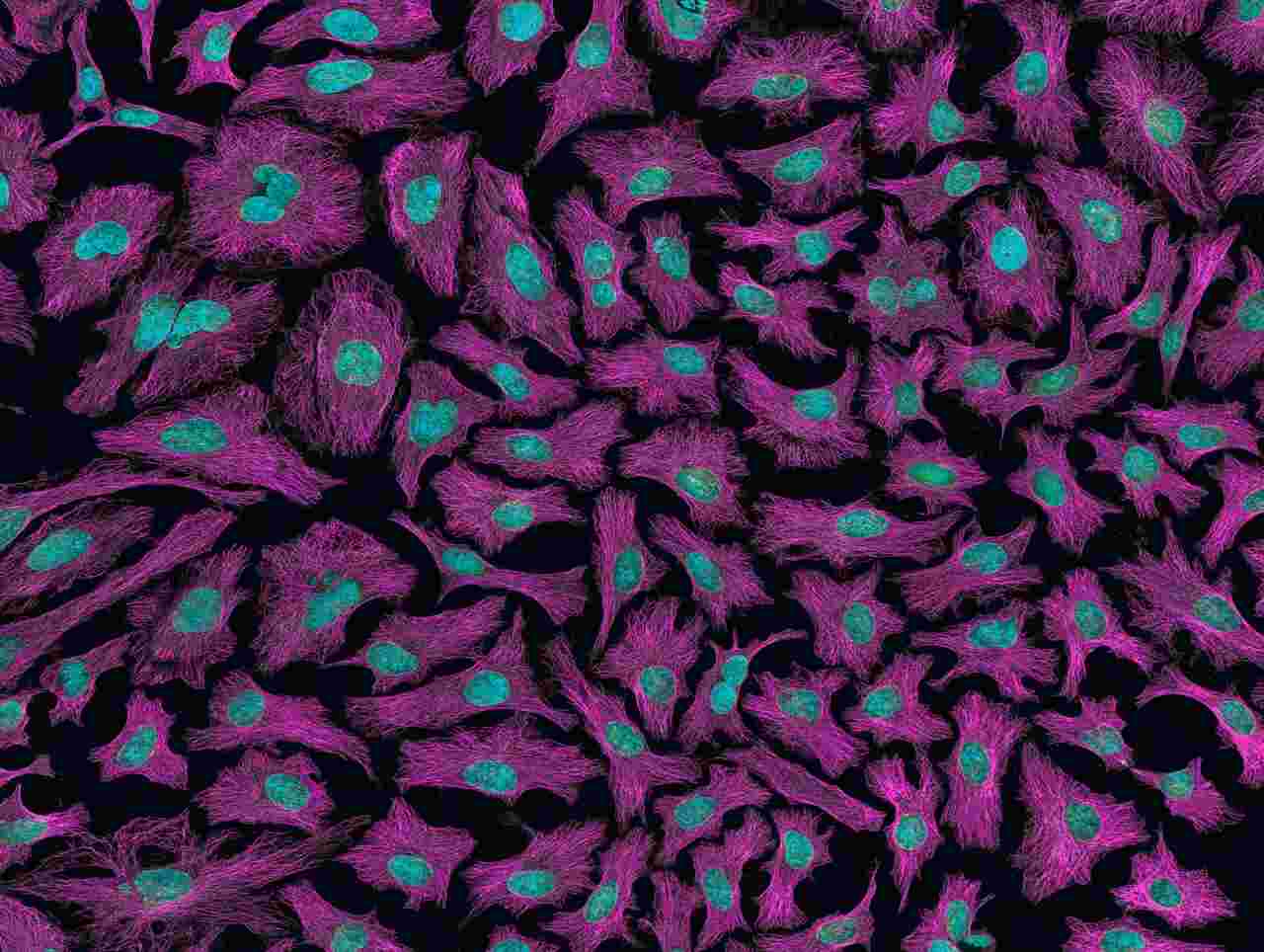
The team used the NK-92 cell line, a go-to for these studies. These aren’t patient-derived cells but reliable, lab-grown ones that let researchers test ideas safely and consistently. The results hint that pairing tweaked signals with drug-based control could level up CAR-NK therapies. That said, this is still preclinical—no patient treatments yet.
CAR-T Is in Clinics, but CAR-NK Needs the Perfect Mix
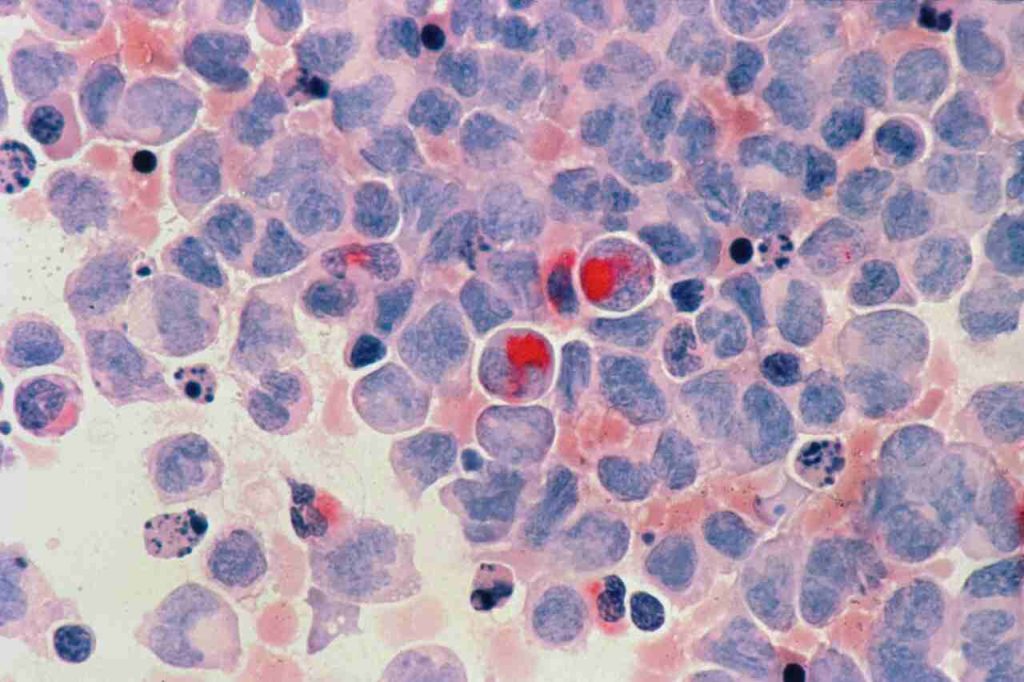
CAR-based cell therapies are already transforming care for certain cancers, like blood cancers. The star is CAR-T therapy, which has tons of data and real-world use in select cases.
For CAR-NK cells, though, the hunt’s on for the ideal signaling combo that maximizes punch without chaos. That’s where this Brazilian work shines. It’s no instant cure, but it charts a course for next-gen therapies.
Raw Power Alone Won’t Cut It—Control Is Key
The real takeaway? This isn’t just about beefier NK cells. It shows tomorrow’s therapies need smart regulation alongside brute force. It’s less about max aggression and more about precise control.
If further trials back this up, CAR-NK could get not just stronger, but safer and more targeted—turning good treatments into great ones.