If someone told you your body already makes a hormone that could help melt away extra pounds—without forcing you to eat less—you’d probably raise an eyebrow. But that’s exactly what researchers at the University of Oklahoma have been exploring.
It’s called FGF21, a hormone your body produces naturally. Unlike popular GLP-1 drugs like Ozempic, it doesn’t curb your appetite. Instead, the study shows it ramps up your metabolic rate, so your body burns more energy. In short, you’re not eating less—your body just uses up what you’ve already eaten faster.
FGF21 Doesn’t Target the Liver. It Sends Signals Straight to the Brain
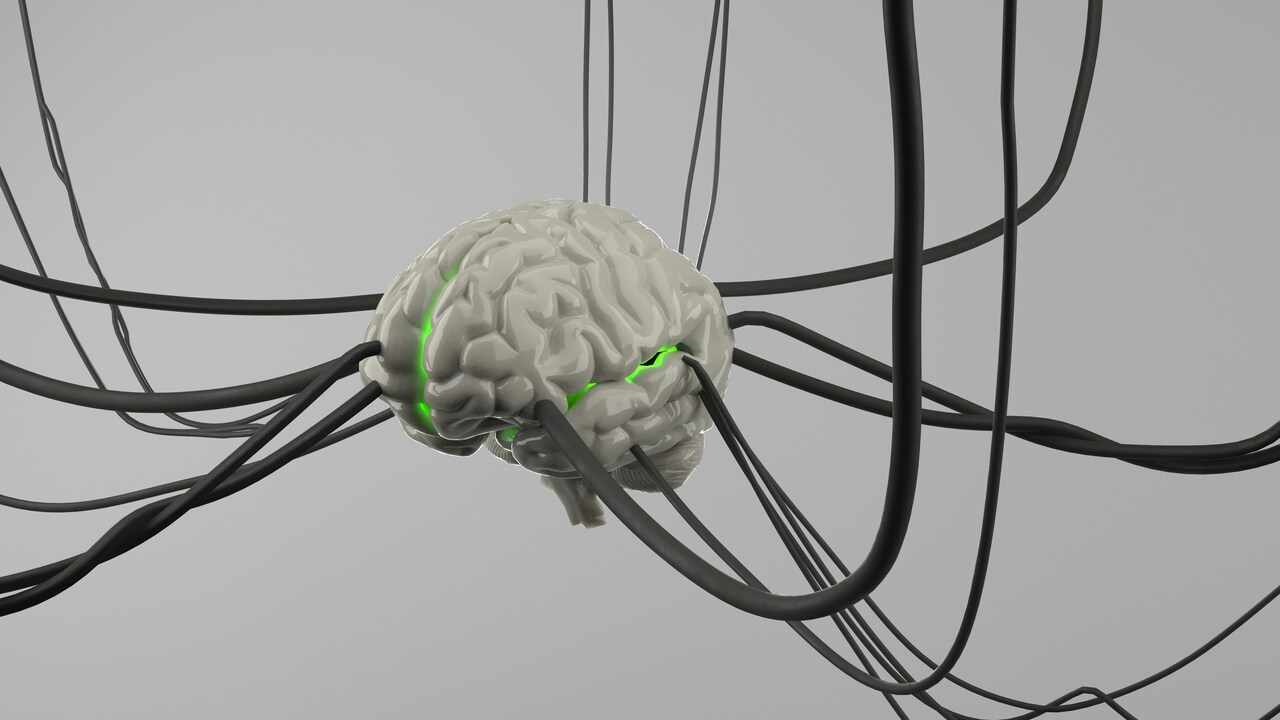
Scientists long wondered exactly where FGF21 works in the body. They first thought it hit the liver hardest, but past research pointed elsewhere. Those studies showed the hormone signals the brain, not the liver. The big question was: which part?
“In our previous studies, we found that FGF21 signals to the brain instead of the liver, but we didn’t know where in the brain,” said Professor Matthew Potthoff, who led the research.
The real shocker? The hormone skips the hypothalamus, the brain’s go-to spot for hunger, appetite, and weight control. Instead, it targets the hindbrain. Bottom line: FGF21 bypasses the classic “hunger center” and taps into a different brain pathway that tweaks energy use and burning.
The Hormone Sparks a Brain Chain Reaction That’s Crucial for Weight Loss
The study reveals FGF21 first lights up two hindbrain spots: the nucleus tractus solitarii and the area postrema. Those spots then relay the signal to a third: the nucleus parabrachialis.
It might sound technical, but the idea is straightforward. The hormone doesn’t flip just one switch. It sets off a chain reaction across multiple brain areas that control how your body handles and burns energy. Researchers say this linked circuit is essential for FGF21’s metabolism-boosting, weight-shedding effects.
“This brain circuit seems to be mediating the effects of FGF21. We hope that by identifying the specific circuit, it can help in the creation of more targeted therapies that are effective without negative side effects,” Potthoff explained.
FGF21 and Ozempic Hit a Similar Brain Spot, but Their Approaches Are Worlds Apart
Here’s what’s fascinating: FGF21 and GLP-1 drugs like Ozempic both zero in on a similar brain area. But that’s where the overlap stops. Their mechanisms are totally different.

GLP-1 drugs cut food intake, so you eat less. FGF21 boosts energy expenditure, per the study authors. Rather than dialing back calories in, it cranks up calories out. That’s a game-changer that could pave the way for fresh obesity treatments.
That said, FGF21 isn’t risk-free. Hormone analogs—drugs mimicking its action—can cause side effects like gut issues and, in some cases, bone loss. So it’s not yet the perfect swap for current weight-loss meds.
FGF21 Mimics Are in Trials for Severe Fatty Liver Disease, but Questions Linger
This isn’t just about slimming down. FGF21-mimicking drugs are in clinical trials for MASH, a serious fatty liver condition with inflammation and tissue damage beyond mere fat buildup.
The study zeroed in on how FGF21 cuts weight in mice and the brain roles involved. It clarifies the hormone’s mechanics, but doesn’t guarantee the same in humans—or fully explain MASH benefits.
If more research proves FGF21 or its mimics work safely in people, it could be a breakthrough. For now, it’s a promising clue, not a cure-all for obesity.