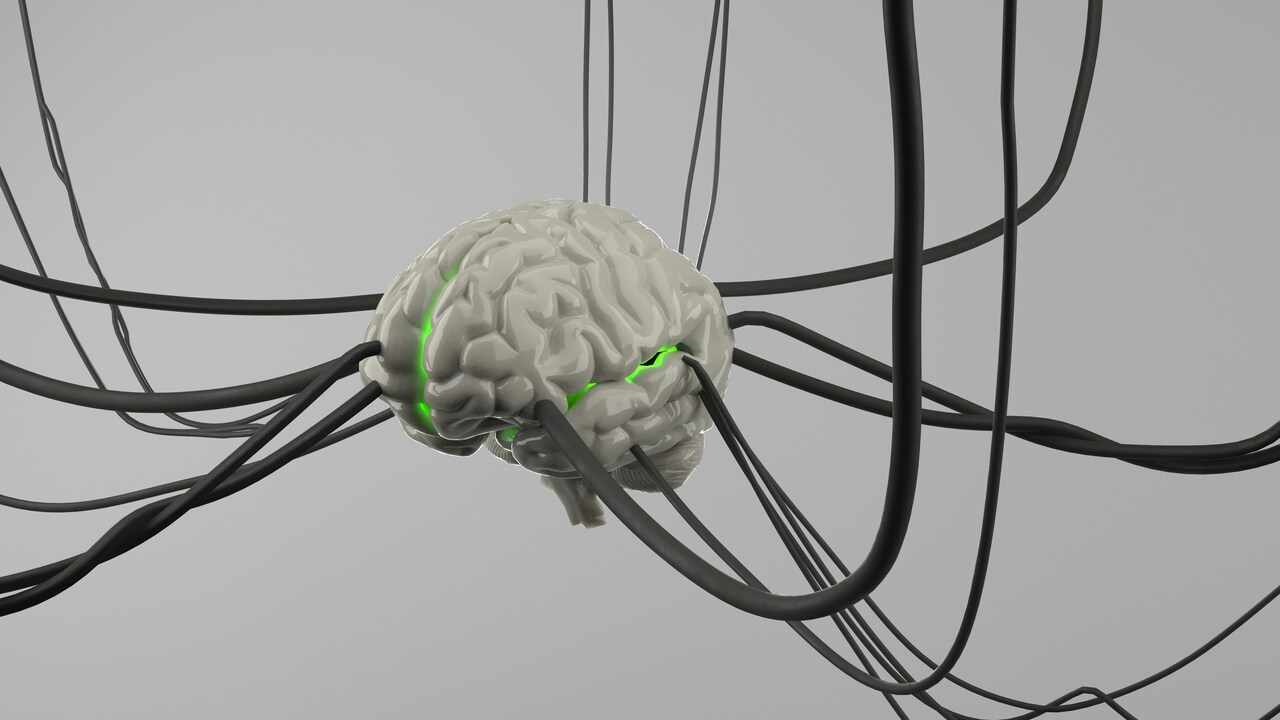
Your brain doesn’t change overnight as you age. It’s more like an engine still running, but gradually losing power. One key issue is low-grade, long-term inflammation in parts of the brain crucial for memory and learning. That inflammation helps explain why people struggle to focus, process information more slowly, and have a harder time forming new memories.
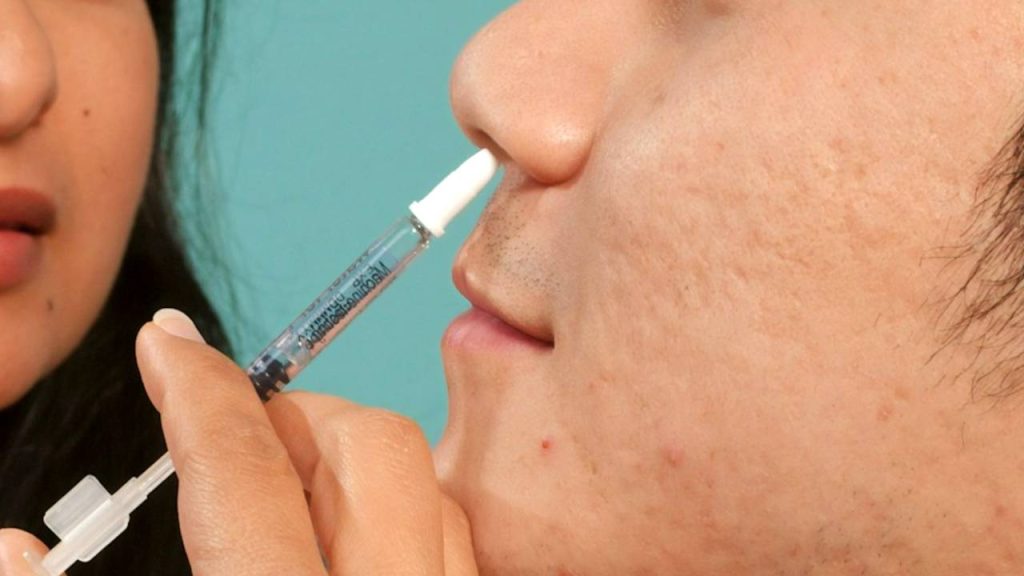
Researchers at Texas A&M University have developed a surprising fix: a nasal spray. In tests on older mice, they found that after just the spray, brain inflammation dropped and working memory got better.
Two Doses of the Nasal Spray Led to Measurable Memory Improvement in Older Mice
The team, led by Professor Ashok K. Shetty, tested the therapy on 18-month-old mice. That’s roughly like a 60-year-old human, though the comparison isn’t perfect. The researchers gave the mice two intranasal doses, then tracked changes in their behavior and brains.
“Brain age-related diseases like dementia are a major health concern worldwide. What we’re showing is brain aging can be reversed, to help people stay mentally sharp, socially engaged and free from age-related decline.” Dr. Ashok K. Shetty.
The treated mice aced tests spotting new objects and environmental changes. These tasks gauge if memory-related brain areas are firing better. Untreated mice showed no gains.
The Spray Does Not Contain a Conventional Drug, but Microscopic Biological Packages
The spray skips standard chemicals for extracellular vesicles. These are tiny, membrane-bound packets cells use to chat with each other—like microscopic mail carrying key messages.
Here, the vesicles came from neural stem cells and packed microRNAs. MicroRNAs aren’t genes or typical proteins; they’re small molecules that help cells regulate which genes to turn down or amp up. That’s how they tackle inflammation, cellular stress, and brain repair.
The researchers think nasal delivery lets these particles shut down the chronic inflammation trapping the brain. That low-level fire is tied to fading memory, slower info processing, and age-related brain wear.
Nasal delivery also gets substances brain-side without surgery or direct injections. It’s a gentler path, making it promising for future treatments.
The Spray Did Not Just Affect Inflammation. It Also Appeared to Help Mitochondria, the Cell’s Energy Centers
The research revealed the therapy boosted mitochondria too—the cell’s power plants. Poor mitochondrial function starves cells of energy for repair, signaling, and daily tasks. In the brain, where neurons guzzle energy, that’s a big deal.
The researchers say the spray hits multiple targets at once. Beyond curbing inflammation, it cut oxidative stress from rogue molecules. This trio—inflammation, oxidative damage, and weak mitochondria—drives brain aging.
“We are giving neurons their spark back by reducing oxidative stress and reactivating the brain’s mitochondria.” Narayana said.
Notably, benefits showed up in both male and female mice. That’s a plus in research, hinting the effect isn’t sex-specific.
Researchers See Hope for the Aging Brain, but Human Treatment Is Still a Long Way Off
Dementia cases are surging globally, piling pressure on healthcare for decades. Tens of millions already affected, with numbers set to rise. That’s why scientists hunt ways to shield brains before decline hits hard.
The team sees potential for human trials, maybe for cognitive decline or neurological issues. They’ve filed a patent, signaling real-world ambitions.
“Our approach redefines what it means to grow old. We’re aiming for successful brain aging: keeping people engaged, alert and connected. Not just living longer, but living smarter and healthier,” Shetty said.
That said, keep expectations in check. This was mice only, not humans. No dementia cure yet—just a promising jab at aging brain processes. If it pans out in people, though, it could reshape how we tackle brain aging.