
Most of us see olive oil as healthy. So in the grocery store aisle, we grab a bottle without much thought, figuring the differences between types aren’t a big deal. But new research shows your pick might matter more than you think. Turns out, one type of olive oil could shield your brain from aging in a way we haven’t talked much about before.
Scientists at Spain’s Universitat Rovira i Virgili tracked over 650 people aged 55 to 75 for two years. Everyone was overweight with metabolic syndrome—a mix of high blood pressure, high blood sugar, excess belly fat, and funky blood fats. It ramps up heart disease risk and often speeds up brain aging too.
Gut Bacteria May Play a Major Role in Brain Function
The study found virgin olive oil users had more diverse gut bacteria and sharper cognitive skills than those using refined olive oil. We’re talking memory, attention, processing speed, and focus. The gaps grew bigger over time.
Refined olive oil, on the other hand, slowly cut gut bacteria diversity. That’s a red flag for declining gut and metabolic health. Bottom line: fewer gut bacteria types make it tougher for your body to fight inflammation, handle nutrients, and manage energy. In the long run, that can mess with brain performance too.
“This is the first prospective study in humans to specifically analyze the role of olive oil in the interaction between gut microbiota and cognitive function,” explains Jiaqi Ni, first author of the article and researcher at the URV’s Department of Biochemistry and Biotechnology.
Researchers pinpointed a gut bacteria genus called Adlercreutzia, which seems crucial to virgin olive oil’s brain benefits. You can’t just pop it like a supplement—it’s a sign of how your gut reacts to certain foods. Its presence linked to better mental sharpness, hinting that these gut shifts are how olive oil helps the brain.
Mechanical Processing Versus Industrial Refining
The key difference? How they’re made. Virgin olive oil uses only mechanical methods—just pressing, no harsh stuff—to keep the olives’ natural compounds intact. That’s why it holds onto its signature taste, smell, and body-boosting substances.
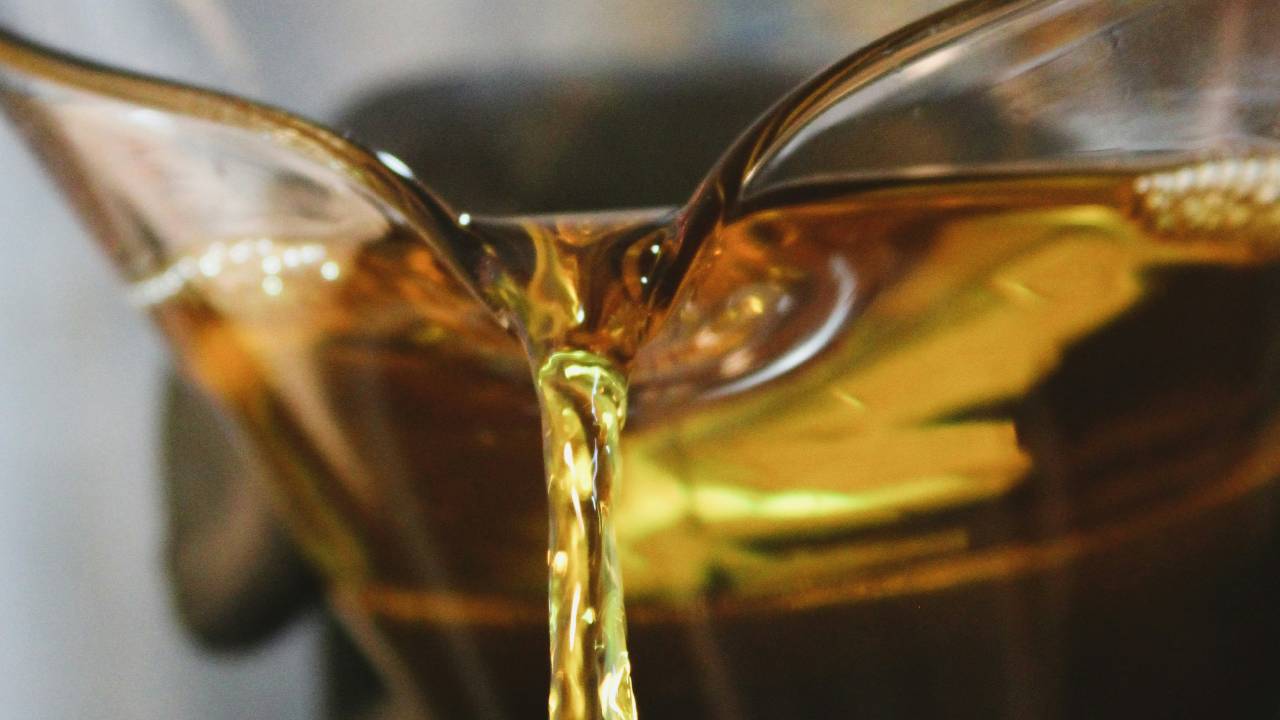
Refined oils get heavy industrial treatment to zap impurities, tweak flavor, and boost shelf life. Downside: it wipes out antioxidants, polyphenols, vitamins, and other health perks. Polyphenols stand out—they fight oxidative stress and inflammation, which tie into brain aging.
These extras likely drive the gut and brain wins. It’s not just the fat; it’s the natural goodies in top-shelf oil. Refined versions? They lose that edge.
“Not all olive oils have benefits for cognitive function,” warns Ni, recommending that people choose extra virgin olive oils over refined versions.
The Quality of Fat Matters Just as Much as the Amount
This builds on evidence that diet shapes heart and brain health via gut bacteria. What you eat doesn’t just hit cholesterol or weight—it tweaks your gut chemistry, which talks to your brain. Study lead Jordi Salas-Salvadó hammers home fat quality over quantity.
“This research reinforces the idea that the quality of the fat we consume is as important as the quantity; extra virgin olive oil not only protects the heart, but can also help preserve the brain during aging,” says Salas-Salvadó.
Spotting these gut profiles paves the way for diet tweaks to safeguard thinking skills. Scientists could soon zero in on meals that boost good bacteria and protect the brain indirectly.
“At a time when cases of cognitive decline and dementia are on the rise, our findings drive home the importance of improving diet quality, and in particular prioritizing extra virgin olive oil over other refined versions as an effective, simple and accessible strategy for protecting brain health.”