When you walk into a pool and smell chlorine, it is easy to assume the water is under control—that anything dangerous in it has already been wiped out. But scientists are now warning that this sense of safety may not always match reality, according to EurekAlert.
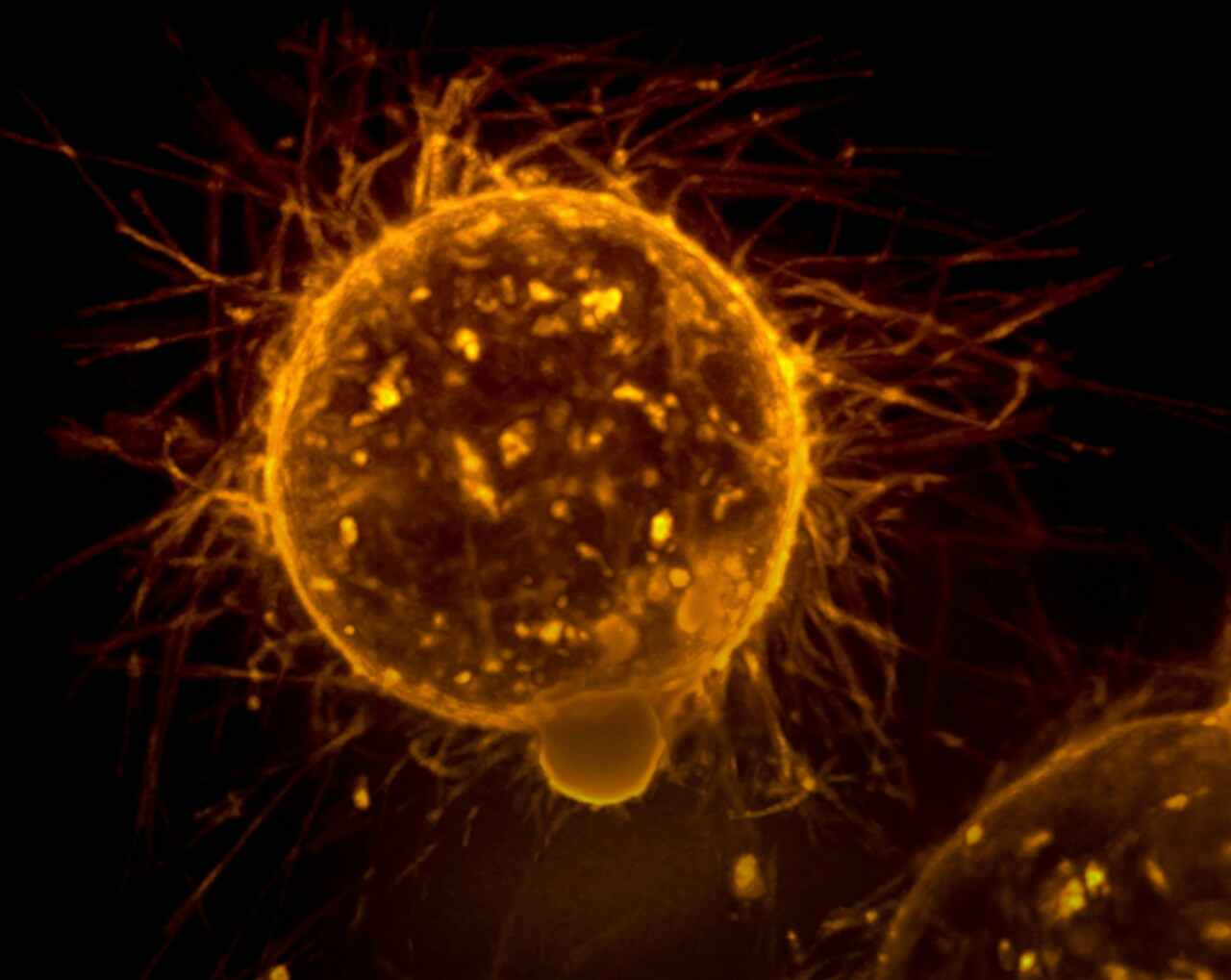
Free‑living amoebae are the real culprits. These microscopic organisms can persist in pipes, biofilms, pools, hot‑water systems, and natural bodies of water. In their resistant forms, they can survive conditions that kill many other microbes. As water warms and infrastructure ages, these amoebae can slip into places where people have not traditionally worried about them.
The Biggest Risk Is Not Drinking the Water, but Getting It Into Your Nose
The best‑known example is Naegleria fowleri, often called the “brain‑eating amoeba.” The name sounds dramatic, but the real danger is specific. This amoeba usually does not infect someone simply because they drink contaminated water. The risk rises when warm freshwater containing the organism is forced up your nose—for example, while swimming, diving, or jumping into water.
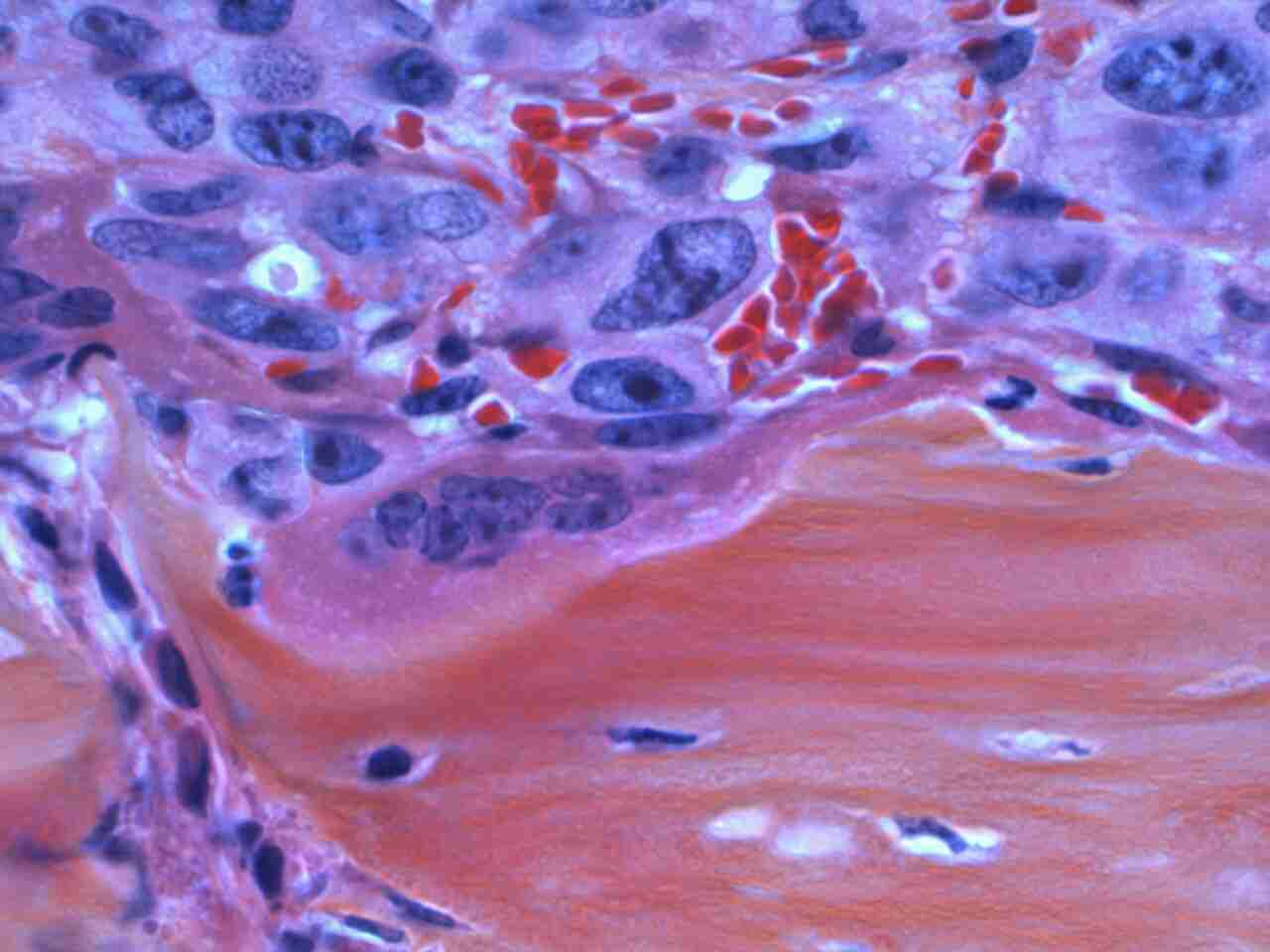
From there, it can travel along the olfactory nerve toward your brain. That is what makes the infection so alarming. This is not a simple stomach bug from water. It is an attack on the central nervous system. The result can be primary amoebic meningoencephalitis, a fast‑moving brain inflammation that is among the most dangerous infections known.

But the problem does not stop with one species. Experts are also zeroing in on amoebae such as Acanthamoeba castellanii and Balamuthia mandrillaris, which can enter your body through broken skin or your nasal cavity and, in rare cases, spread to the brain.
Acanthamoeba is also known for infecting the cornea. This is most often linked to poorly cleaned or contaminated contact lenses. In severe cases, amoebic keratitis can damage your vision and even lead to blindness.
Chlorine Is Not a Magic Shield. Some Amoebae Can Survive It
The problem is not only that these organisms can appear in water. It is that they can flip into a “survival mode” and form a microscopic protective shell. In that state, they can withstand treatment that would destroy many common bacteria.
Researchers note that some Acanthamoeba species have shown resistance to very high chlorine levels, even up to 100 milligrams per liter for 10 minutes. That does not mean every pool is automatically dangerous. It does mean the simple idea that “there is chlorine, so everything is solved” does not always apply to these organisms.
There is another uncomfortable detail. Weak disinfection may not always be harmless. In Acanthamoeba castellanii, scientists observed that exposure to low chlorine doses can increase the activity of genes linked to virulence, meaning the organism’s ability to cause disease. In other words, the question is not only whether the amoeba survives. It is also what state it is left in afterward.
Longfei Shu of Sun Yat‑sen University says this resilience is exactly what makes the organisms difficult to ignore:
“What makes these organisms particularly dangerous is their ability to survive conditions that kill many other microbes. They can tolerate high temperatures, strong disinfectants like chlorine, and even live inside water distribution systems that people assume are safe.”
The “Trojan Horse” Effect: How Amoebae Safeguard Germs
Amoebae are not only dangerous on their own. They can also act as shelters for other microorganisms. Bacteria and viruses can hide inside them, almost like they are taking cover in a cellular bunker that ordinary water treatment may struggle to reach.
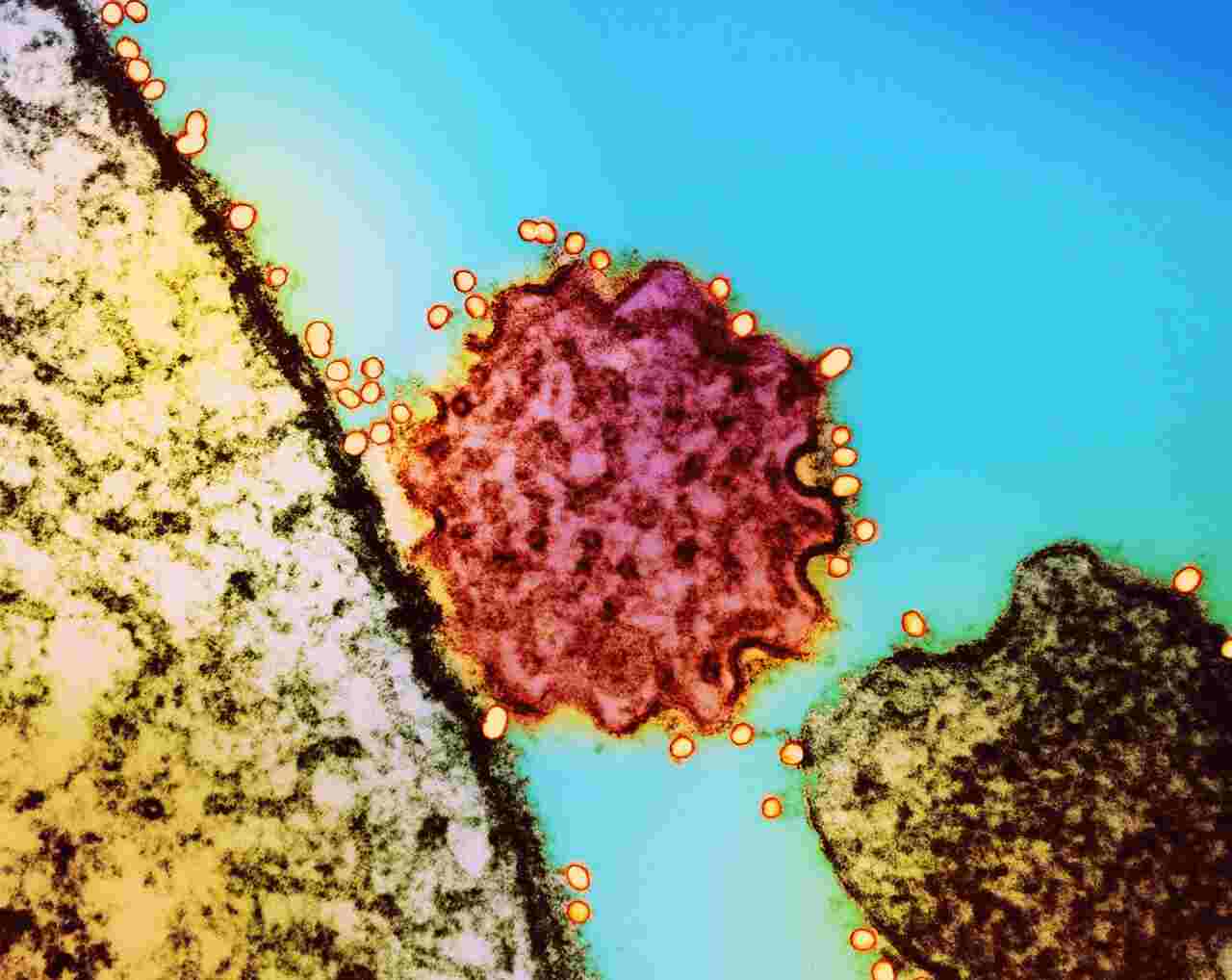
This so‑called ‘Trojan horse’ effect means pathogens protected inside amoebae may survive drinking‑water disinfection and continue spreading. Scientists also warn that this mechanism could help antibiotic resistance move through water systems.
Amoebae often live in biofilms inside water pipes and filters. A biofilm is a thin, slimy layer where microorganisms cling together and gain extra protection from the outside environment. That means the problem may not be only in the water itself, but also in the surfaces the water passes over.
Warmer Water Could Move Dangerous Amoebae Into Places That Were Not Expecting Them
Climate change may make the situation worse. Heat‑loving species such as Naegleria fowleri could creep into northern waters that were once considered too cold. This is no longer only a concern for tropical areas or hot springs.
The authors warn that the risk of primary amoebic meningoencephalitis may rise as environmental conditions change. The World Health Organization issued specific guidance in 2025 for controlling Naegleria fowleri in drinking‑water systems, which shows that international attention is growing.
The real scale of the problem may also be larger than it appears. Traditional diagnostic methods can miss these infections. Under a microscope, amoebae may be confused with yeast, macrophages, or other structures. That means some infections may have been misdiagnosed or overlooked altogether.
Water Systems May Need More Than Conventional Disinfection
Standard water‑treatment methods can hit limits when dealing with resistant amoebic forms. Researchers are therefore testing more advanced approaches, especially advanced oxidation systems. These do not rely only on classic chlorination, but on chemical processes that can target tougher microbial forms.
For example, an FeP/persulfate system achieved a tenfold reduction in the viability of resistant amoebic forms. A MoS2/rGO composite using piezocatalysis showed stronger results, reducing viable resistant forms by more than 99.99 percent within 180 minutes.
End‑point disinfection alone may not be enough if the problem keeps returning from the infrastructure itself. That is why the authors also emphasize regular pipe flushing, flow control, and chemical treatment of places where microorganisms can persist over time.
The Real Danger Depends on How the Water Enters Your Body
Not every contact with water carries the same risk. With Naegleria fowleri, the critical issue is contaminated water entering your nose. With Acanthamoeba, the concern may be contact with your eye, especially when contact lenses are handled or cleaned improperly.
That is why scientists point to situations such as swimming in warm freshwater, diving, jumping into water, nasal rinsing with water that is not sterile, boiled, or properly filtered, and the use of contaminated contact lenses. In some regions, ceremonial bathing and other practices that bring water directly into contact with mucous membranes may add another route of exposure.
Researchers are calling for a coordinated approach that connects human health, environmental science, and water management. Better surveillance, improved diagnostics, and advanced water‑treatment technologies may all be needed.
“Amoebae are not just a medical issue or an environmental issue. They sit at the intersection of both, and addressing them requires integrated solutions that protect public health at its source,” Shu said.
The real danger isn’t the water itself—it’s where that water ends up. All it takes is one jump into a lake or a poorly handled contact lens for “safe” water to turn deadly.