Migraines are often blamed on stress, hormones, sleep issues, or certain foods. But fresh research spotlighted by the American Academy of Neurology points to another everyday culprit: the air we breathe. Scientists found that higher air pollution, combined with specific weather patterns, correlates with more frequent migraine attacks.
The team tracked over 7,000 migraine sufferers in Be’er Sheva, a city in Israel’s Negev Desert, for about a decade. They analyzed links between air quality, temperature, humidity, and emergency visits to hospitals or clinics for acute migraines.
The Worst Day Had Twice the Dust in the Air
A clear pattern emerged. On the day with the most migraine-related medical visits, air pollution spiked well above the long-term average.
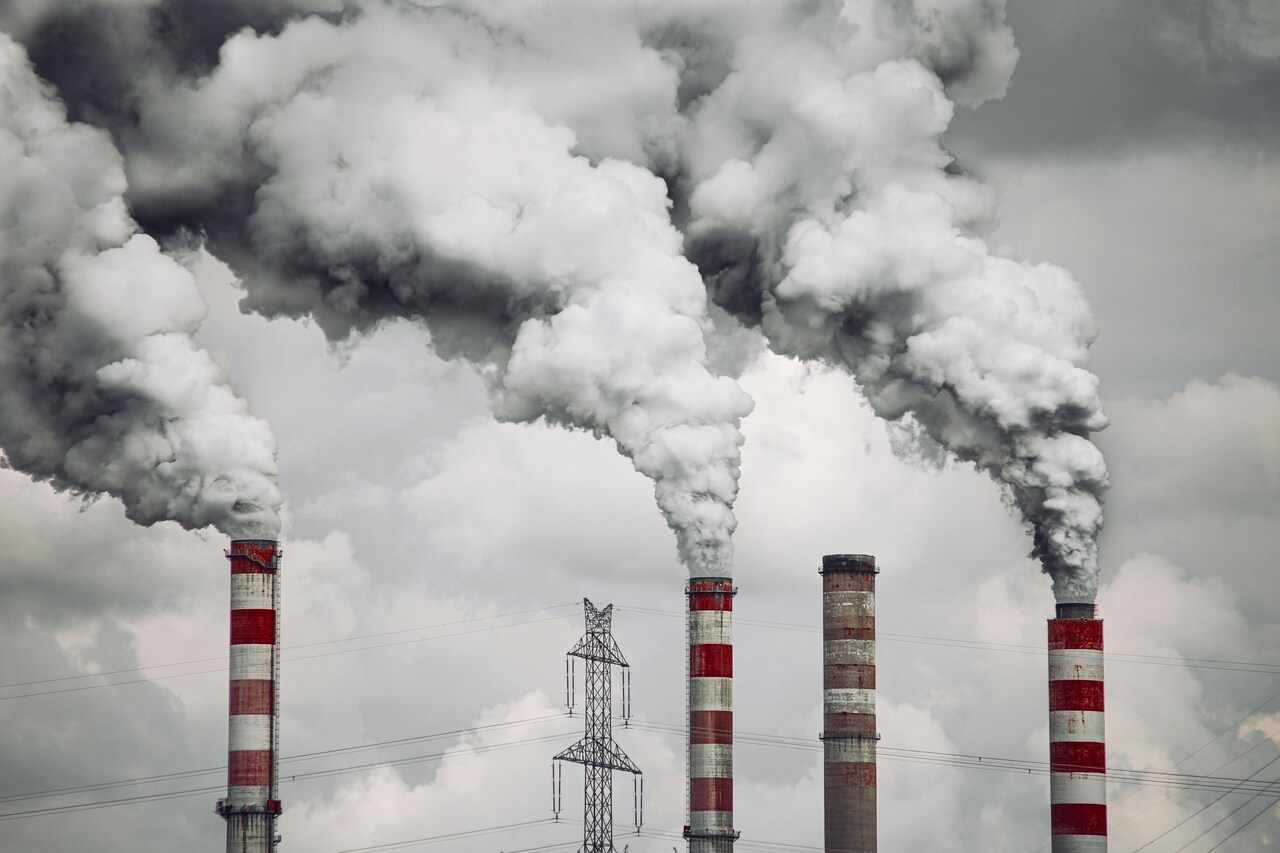
PM10 levels—those larger dust particles—hit 119.9 micrograms per cubic meter, more than double the study’s average of 57.9. That same day, clinic and hospital visits for severe migraines surged.
Finer PM2.5 particles were up too. These come from things like fuel burning and traffic, and they’re riskier because they penetrate deeper into the lungs. They reached 27.3 micrograms per cubic meter (versus an average of 22.3). Nitrogen dioxide, a traffic-related pollutant, jumped from 8.7 to 11.2 parts per billion.
Nitrogen Dioxide Hiked Medical Visits by 41%
After accounting for factors like sex and socioeconomic status, key insights stood out.
Short-term exposure to elevated nitrogen dioxide—a traffic staple—increased the odds of needing medical care for migraines by 41%. This isn’t just an industrial issue; it’s in the air of busy cities everywhere.
Intense sunlight piled on. High UV exposure raised the risk of clinic or hospital visits by 23%. Polluted air alone might not tip the scales—it’s often the mix with weather that does.
Longer-term poor air quality also tied to higher migraine medication use, hinting at a broader impact beyond single bad days.
Weather Can Amplify Pollution’s Punch
It’s not just what’s in the air—the weather matters too. Pollution’s effects varied by conditions.
High heat and low humidity worsened nitrogen dioxide’s impact. Cooler, humid weather intensified PM2.5 risks. Different pollutants hit harder under different skies.
Nearly Half Relied on Migraine Meds
Over the study, 2,215 participants (32%) sought emergency care for acute migraines at least once. Nearly half—47%—bought triptans, migraine-specific drugs, averaging two tablets a month. About 2.3% needed 10 or more, signaling frequent or intense episodes.
“These findings help us better understand how and when migraine attacks occur. They suggest that in people who are already predisposed to migraine, environmental factors may play two roles. Intermediate-term factors such as heat and humidity may modify the risk of attacks, while short-term factors such as sudden increases in pollution may directly trigger them,” said study author Ido Peles of Ben-Gurion University of the Negev.
Climate Change Could Make Things Worse
Looking ahead, the researchers warn of trouble. Climate change means more heatwaves, dust storms, and dirtier air—all migraine aggravators.
For chronic sufferers, this could mean more attacks down the line. Doctors might soon recommend staying indoors during risky forecasts, running air purifiers, or starting meds early.
“When forecasts show periods of increased risk, doctors may be able to advise people to limit outdoor activity, use air filters, take short-term preventive treatment, and start using their migraine medications at the first sign of symptoms in order to prevent an attack from developing,” Peles added.
A Few Caveats on the Data
The study wasn’t perfect. Researchers used citywide monitoring stations, not personal sensors, so exposure estimates were general—not tailored to individuals’ routines.
They couldn’t factor in time spent indoors, in cars, or at work, nor use of AC or purifiers. Data leaned toward severe cases (hospital visits and meds), missing milder home-managed attacks.