When joints start breaking down, modern medicine typically offers just two paths: pain management or full replacement with an artificial joint. Researchers at the University of Colorado have shared results hinting at a better option. In animal studies, they triggered repair of damaged joints using a novel injection and regenerative biomaterial, restoring them to a healthy state in just four to eight weeks.
Osteoarthritis is one of the most common joint disorders today, striking about one in six people over 30. The cartilage that cushions bones between joints gradually erodes, eventually damaging the bone itself. Joints stiffen, ache, deform, and even basic movements become painful.
Two New Therapies Bridge the Gap Between Pills and Surgery
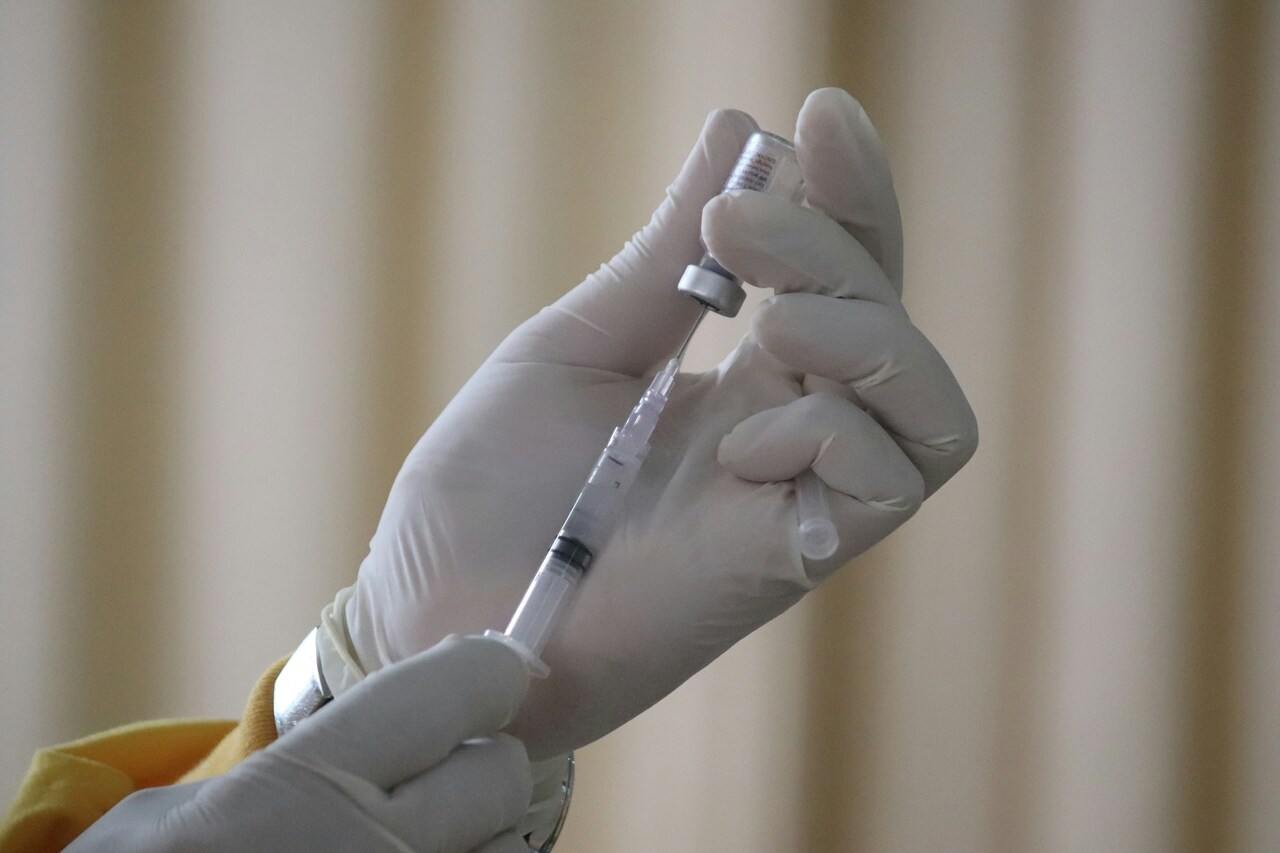
Led by Stephanie Bryant at the University of Colorado Boulder, the team developed two distinct approaches. The first repurposes an FDA-approved drug delivered in a fresh way: a patented particle system injected directly into the joint, releasing the drug in steady pulses over months.

The second targets larger cartilage or bone defects. Here, the scientists apply a blend of engineered proteins arthroscopically. Once in place, it attracts progenitor cells—your body’s own repair cells—to regenerate the tissue. In essence, it’s not just a patch; it’s jump-starting the body’s natural healing.
In animal tests on arthritic and injured joints, the injectable therapy restored joints to health in four to eight weeks, per the researchers. For cartilage or bone defects, they saw full regeneration.
“Within two years, we went from a moonshot idea to developing these therapies and proving they can reverse osteoarthritis in animals,” said Stephanie Bryant.
The team also saw regenerative effects in human cells from joint replacement patients.
Promising Results, But Limited to Animal Tests So Far
These findings are exciting, but they’re confined to animal models and human cell studies from joint replacement patients. The big question: Can this hold up in advanced research and human trials?
The work is funded by ARPA-H’s NITRO program, which backs minimally invasive joint restoration therapies.
For Most Patients, It’s Still Painkillers or the Operating Room
Osteoarthritis patients often face slim choices. Early on, it’s about easing pain and slowing progression; later, it’s surgery or replacement. Innovations like these aim to fill that void.
Evalina Burger from the University of Colorado Anschutz notes that osteoarthritis robs more than comfort—it steals daily life. It hits grandparents unable to brush their hair due to shoulder pain, and athletes forced to quit running or hockey.
“Right now, many patients choose between major, costly surgery or nothing. There’s little in between.”
Clinical Trials Are Still on the Horizon
Human use is a ways off. The team plans peer-reviewed publication of animal data later this year and has spun out Renovare Therapeutics to commercialize it.
If all goes well, trials could start in about 18 months—though that’s just a projection. More safety, toxicity, and efficacy data are needed first.
Osteoarthritis varies widely, from mild early cartilage wear to severe cases where bones grind together. That’s why the researchers offer two tailored solutions: one for initial damage, another for major defects.