Bread is often one of the first foods people blame when the topic of weight gain comes up. A new study in mice suggests the issue may not be just about the number of calories. What may also matter is that the body starts handling energy differently on this kind of diet.
Professor Shigenobu Matsumura and his team at Osaka Metropolitan University investigated a question that has been debated for years. Many people believe bread and other carbohydrate‑rich foods contribute to weight gain, but until now it has not been entirely clear whether the problem lies in these foods themselves, or in the way they alter metabolism and change how the body behaves after eating them.
Mice chose carbohydrates over their regular food
The researchers gave the mice a choice. They could eat their standard chow, or they could go for bread, wheat flour, or rice flour. The outcome was clear. The mice developed a strong preference for carbohydrate‑rich foods and almost stopped eating their regular chow altogether.
What makes this especially interesting is that their total calorie intake did not rise significantly. In other words, the mice were not suddenly eating much more than before. They were simply swapping one kind of food for another. Even so, both their body weight and body fat increased.
“These findings suggest that weight gain may not be caused by wheat‑specific effects, but rather by a strong preference for carbohydrates and the metabolic changes associated with it,” said Professor Shigenobu Matsumura.
The mice were not eating much more, but their bodies were using less energy
At first, the researchers thought the mice would simply start eating more. But that was not what happened. Their calorie intake did not increase much. The real change was that their bodies started expending less energy.
Put more simply, the body was no longer acting like a furnace that burns through everything it takes in. It seemed to shift into a more energy‑saving mode. Some of the energy that would normally be used for basic bodily functions, movement, or heat production was instead conserved and stored more readily.
The liver started storing and accumulating fat
When the scientists analysed the mice’s blood, they found higher levels of fatty acids and lower levels of essential amino acids. Changes also showed up in the liver, where fat accumulation increased and the activity of genes linked to fatty acid production and lipid transport also rose.
In simpler terms, this was not just about which foods the mice preferred. Their bodies also changed the way they handled incoming energy. So it was not only a stronger appetite for carbohydrate‑rich foods, but also an internal metabolic shift that made fat storage more likely.
It was not just wheat. Rice showed a similar effect
You might expect the problem to be tied specifically to wheat or bread. But the results showed a similar effect with rice flour as well. Mice in that group gained weight in much the same way as those given wheat flour.
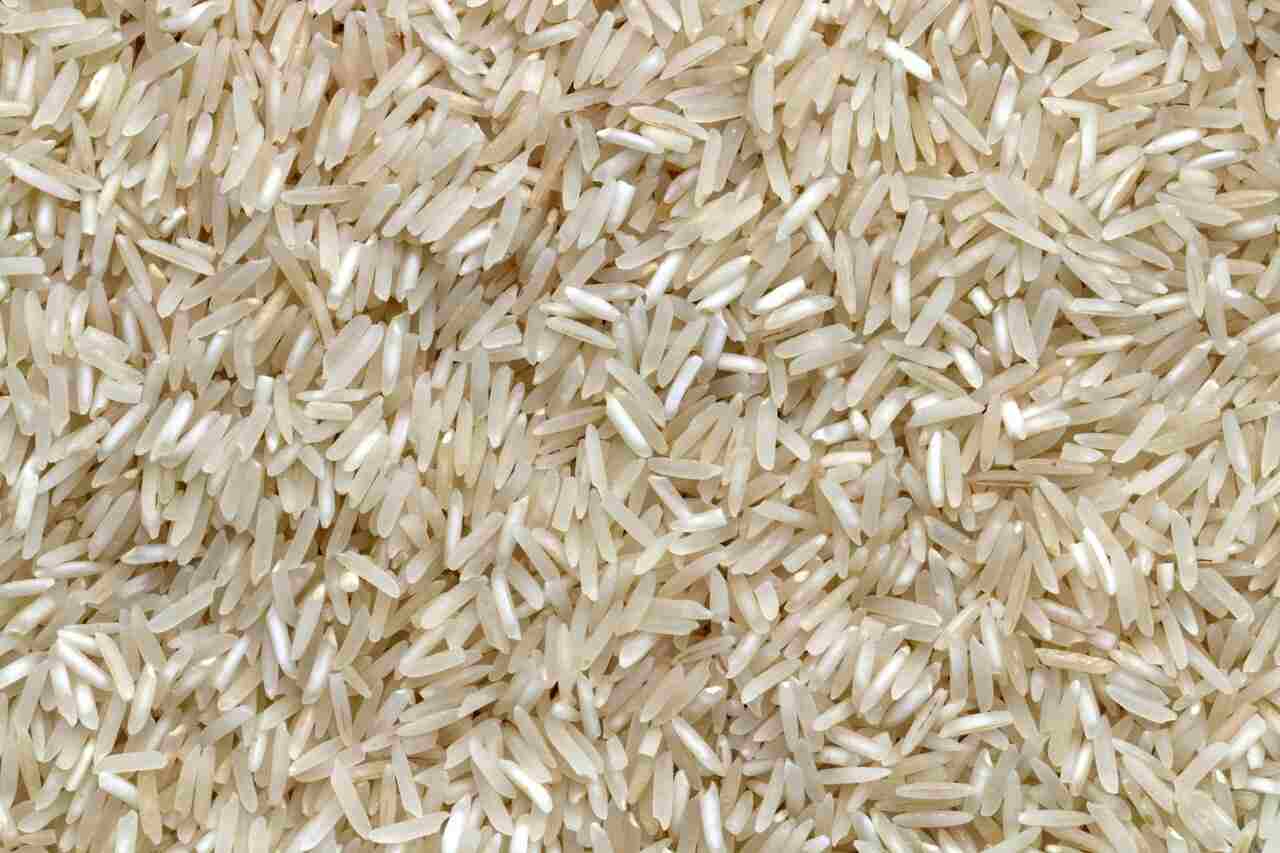
That changes the picture quite a bit. The finger does not seem to point only at bread or wheat. Instead, the findings suggest the issue may be broader and may have more to do with how the body responds to carbohydrate‑rich foods in general.
The findings show the problem is not as simple as it sounds
The study also produced one result that is less intuitive. Mice on a high‑fat diet plus wheat flour actually gained less weight than mice on a high‑fat diet plus standard chow. That alone shows that the relationship between carbohydrates, fat, and weight gain is more complicated than the simplified claims often found online.
That is exactly why it would be a mistake to conclude from this study that bread automatically causes obesity. What the study suggests instead is that some carbohydrate‑rich foods may alter energy expenditure and the body’s metabolic setting in a way that encourages fat storage. At the same time, it also shows that the wider context of the whole diet matters.
Once the diet was changed, the problems eased quickly
The good news is that when the researchers removed wheat flour from the mice’s diet, both their weight and their metabolic abnormalities improved quickly. Returning to a more balanced diet helped their bodies regulate weight more effectively again.
That suggests these changes may not be permanent. Once the diet is adjusted, the body may be able to return to a healthier state relatively quickly. In other words, it may be capable of resetting itself once the nutritional conditions change.
Researchers now want to see whether the same holds true in humans
Matsumura and his team now plan to continue the research in humans. They want to find out how far these mouse findings translate to real human eating habits.
They are also interested in how whole grains, unrefined grains, high‑fibre foods, the combination of carbohydrates with protein and fat, food processing methods, and meal timing affect the body’s metabolic response. That may be where the answer lies to why some carbohydrate‑rich foods seem to promote weight gain more than others, and why the form in which you eat them may matter just as much as the food itself.