Your body is never truly still, even when you’re sitting quietly. Your heart keeps beating, your lungs keep expanding, your bladder changes shape as it fills—and all these movements create tiny physical forces that reach your cells. If cells reacted strongly to every one of those signals, the body would drown in biological noise.
A new study from researchers at King’s College London and the Institute for Bioengineering of Catalonia (IBEC) shows that cells have a smart way to sort these signals. They don’t just respond to how strong a mechanical force is—they also check how long it lasts. That distinction could be key in diseases where tissues change over time, like cancer and fibrosis.
Cells Ignore Short Mechanical Noise but Respond to Longer-Lasting Changes
The researchers found that cells don’t judge mechanical signals just by their intensity. Timing matters just as much. Brief pushes, pulls, or deformations get filtered out, while longer-lasting ones are more likely to spark a response.
Pere Roca-Cusachs, the study’s senior author, explains it with a simple analogy:
“Imagine you’re driving on a motorway and hear a loud noise next to you. Likely, you’ll react immediately because it could be dangerous. But if you hear a small, unusual sound from your own engine, you might ignore it unless it persists for some time. Cells face a similar challenge – they need to decide which signals matter, and when to respond to them.”
In practice, this acts like a biological filter. Cells face constant rapid, repetitive forces from breathing, heartbeat, and other normal functions. But they also encounter slower, persistent changes during wound healing, tissue stiffening, or tumor growth. The cell has to distinguish routine motion from signals that demand action.
Put simply, a cell doesn’t treat every short burst of pressure as a big deal. It starts responding when the signal lasts long enough to seem meaningful.
Cells Can Remember Mechanical Pressure Even After the Force Disappears
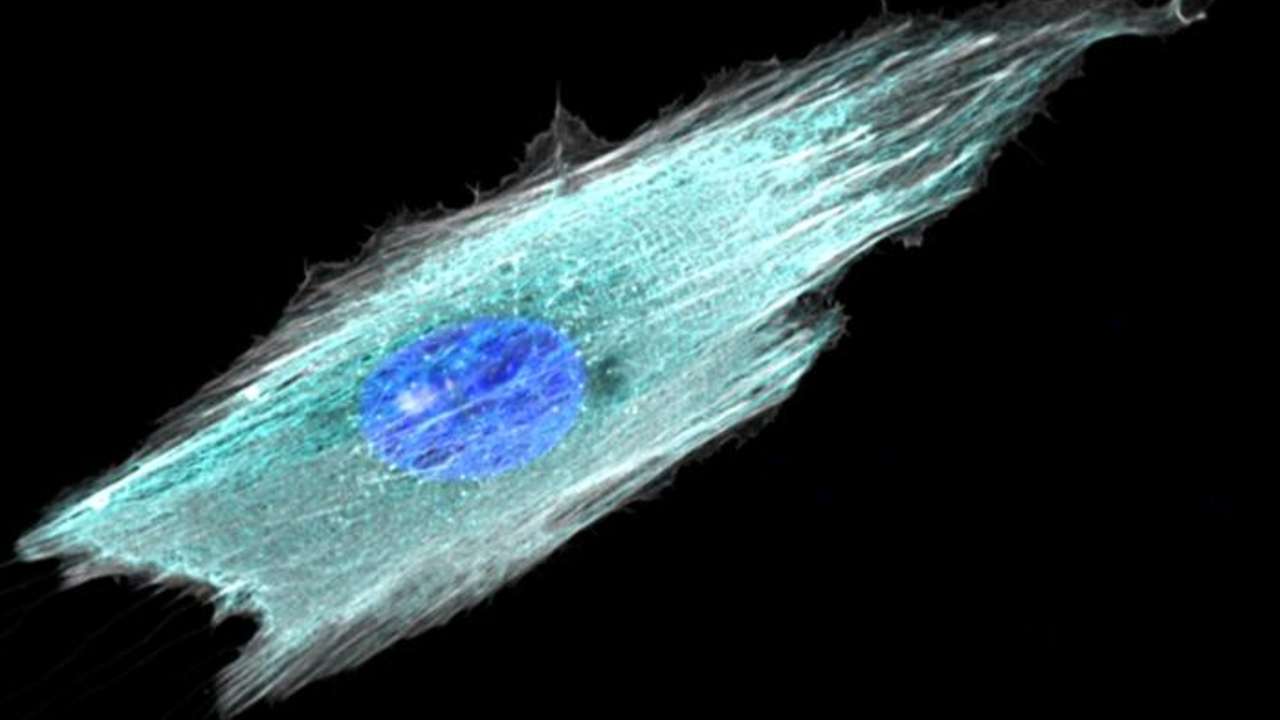
A key player here is fibrillar adhesions. These are specialized contact points that let cells grip their surroundings and pass physical forces inside. Think of them as tiny anchors tethering the cell to its environment.
When a cell gets a mechanical signal, these structures can keep the nucleus deformed for about an hour. Even after the force fades, the cell “remembers” that deformation for roughly 60 minutes.
This relies on a network of internal fibers called vimentin, which sustains the deformation. Another crucial piece is plectin 1f, a protein linking the cell’s internal skeleton to its outside world. Without this setup, cells would react faster but lose selectivity—getting triggered by noise that doesn’t matter.
Cancer and Fibrosis Change Tissue Stiffness, Making Signal Timing Important
Amy Beedle, Lecturer in Biological Physics at King’s and the study’s lead author, sees big implications:
“This work has huge implications for not just how cells and tissues function, but this temporal element, which we’re amongst the first to examine, is big for the future of treatment.
“Many diseases, including cancer and fibrosis, involve long-term changes in tissue stiffness and mechanical forces. Understanding how cells interpret how these complex mechanical signals are playing a part in disease progression could empower researchers design better therapies in the future.”
Many diseases involve long-term shifts in tissue stiffness and mechanical forces. Fibrosis is a prime example—tissue gets stiffer and acts differently from healthy tissue. In tumors, the surrounding environment changes too, affecting how cells grow, move, and talk to each other.
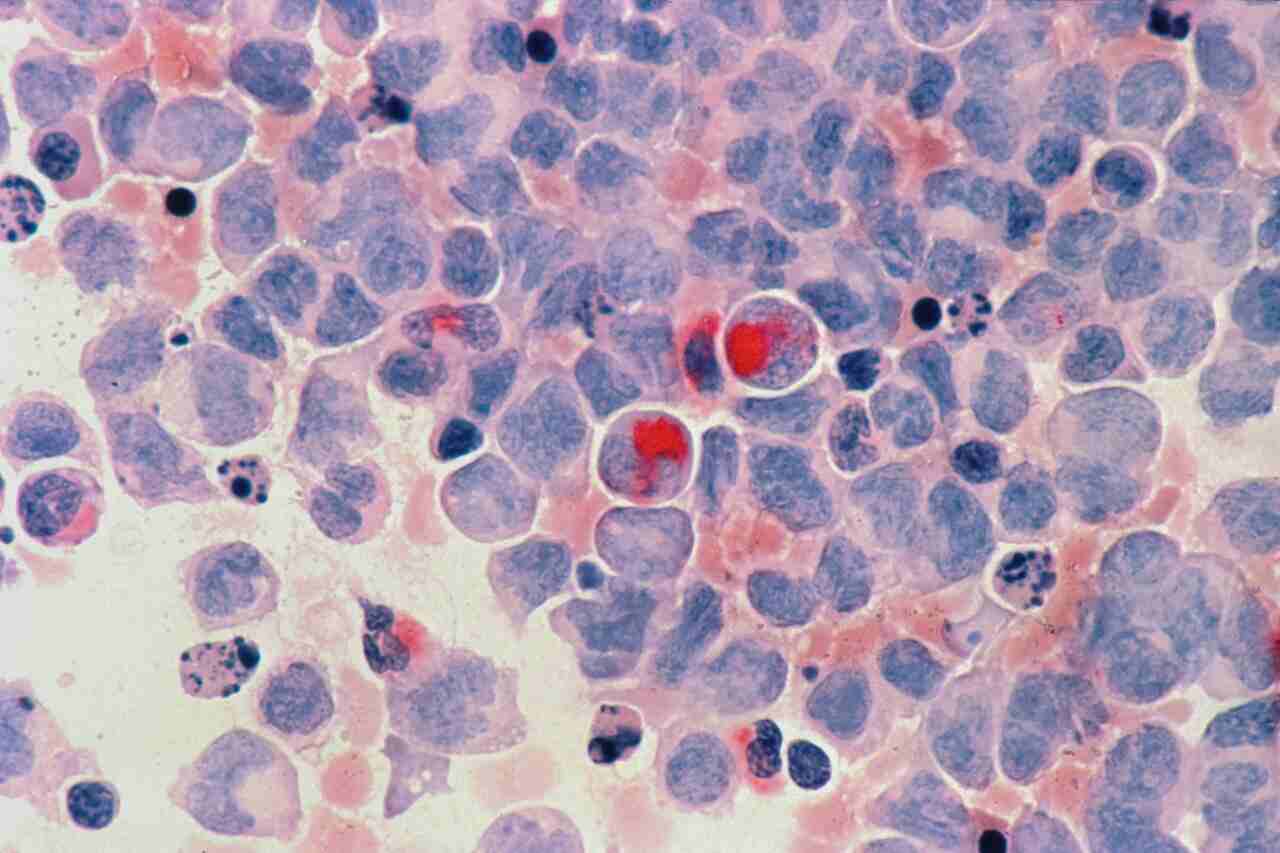
This doesn’t mean they’ve discovered a cancer or fibrosis cure. It’s more targeted: by decoding how cells read sustained mechanical signals, scientists could design therapies that hit these processes more precisely.
The study points to cells using a low-pass filter for mechanical info. In plain terms, they tune out short disturbances and amp up for persistent ones.
The Mechanical Filter May Also Protect the Cell Nucleus From Unnecessary Stress
The researchers also found this timing mechanism helps shield the cell nucleus from physical damage. That’s crucial since the nucleus holds DNA and runs most cell functions. Overreacting to every quick jolt would waste energy or kick off unneeded programs.
The process influences YAP activity too—a protein tied to cell growth, tissue stiffness, and tumor environments. So signal timing shapes cell behavior in stiff or shifting tissues, like those around tumors.
The team plans to explore how this works in complex tissues and disease states, where mechanical shifts aren’t just noise but drivers of illness.
A cell isn’t just a passive blob getting pushed around. It’s a system that processes physical info over time—deciding if a signal is harmless background buzz or a lasting change that reshapes the whole tissue.