Chemotherapy often succeeds initially, but for many tumors, it doesn’t deliver a lasting victory. After responding at first, cancer can return in a more resistant form, as if it absorbed lessons from the initial treatment. Researchers at NYU Langone Health have now identified a mechanism that may explain this phenomenon.
A new study published in the prestigious journal Nature reveals a process that diverges sharply from long-held assumptions in oncology.
Cells Experiment With Their Genes
Scientists previously attributed treatment resistance primarily to rare DNA mutations. This new model suggests otherwise.
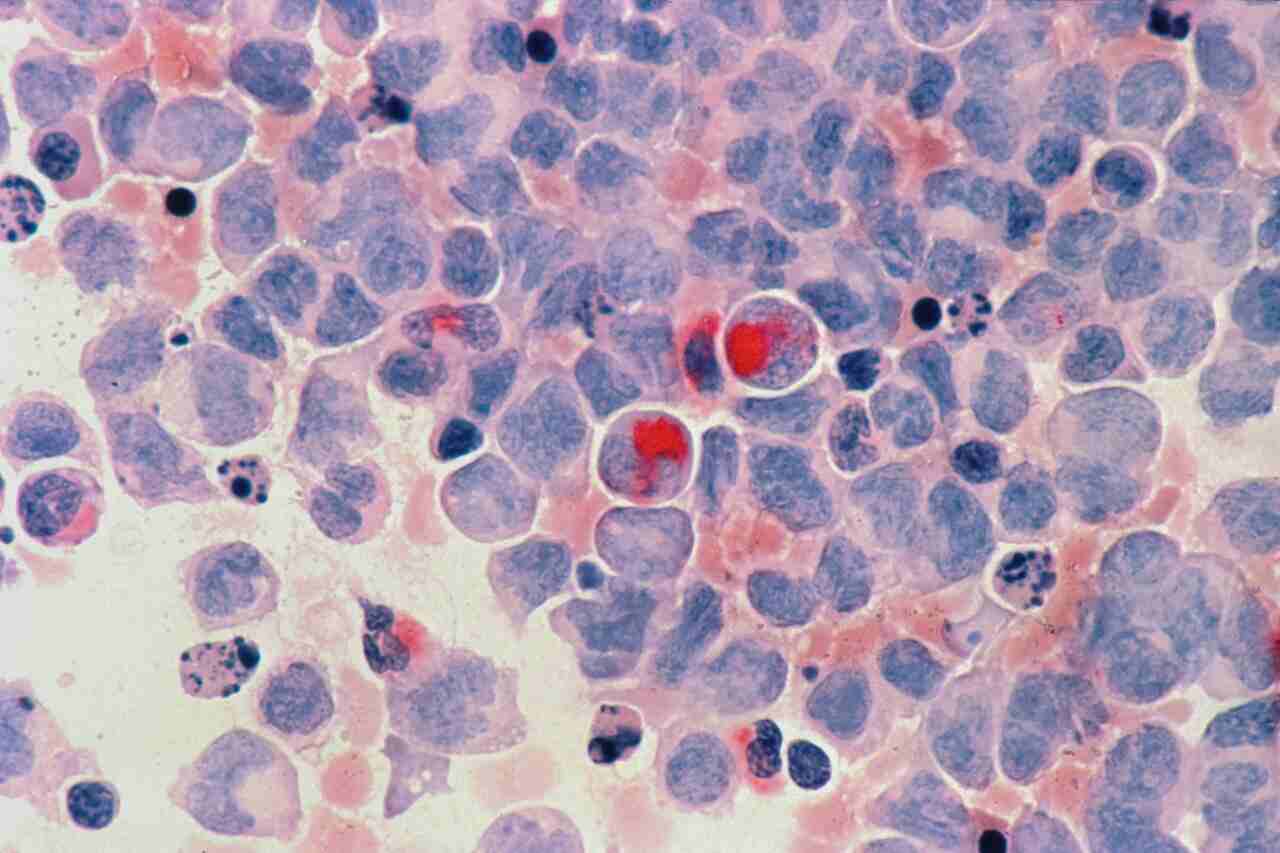
Cancer cells can toggle genes on and off without modifying the DNA sequence itself. They trial various gene activity patterns until discovering the one that enables survival against chemotherapy.
“More recently, we’ve learned that cells can change cellular states to adapt to treatments, but the mechanism has not been clear,” added Dr. Yanai, faculty in the Institute for Systems Genetics. “We propose the existence of a surprising mechanism whereby cells adapt on the fly, and which may explain why advanced cancers become virtually untreatable.”
Central to this process are AP-1 proteins, which activate in response to stress. Studied for decades, their involvement in cancer cells’ “learning” is only recently gaining clarity.
A Molecular Algorithm Inside Every Cell
AP-1 proteins possess a key trait: they form numerous distinct combinations. Each combination regulates a specific set of genes based on the cell’s internal conditions.
“Our AP-1 model works like an evolutionary algorithm inside each cancer cell,” said first author Gustavo S. França, PhD, a postdoctoral fellow in Dr. Yanai’s lab. “By deploying AP-1, the cell is able to generate different ways to regulate its genes and then select the one that is most adaptive to its environment.”
The system operates as a competition among AP-1 pairs. Pairs that mitigate treatment stress are strengthened, while ineffective ones are eliminated.
Eventually, the cell settles on an optimal AP-1 combination. This alters gene regulation, allowing it to endure chemotherapy.
Cancer Cells “Remember” What Helped Them Survive
Remarkably, cells retain these effective configurations and transmit them to daughter cells. This occurs via epigenetic modifications, not DNA alterations.
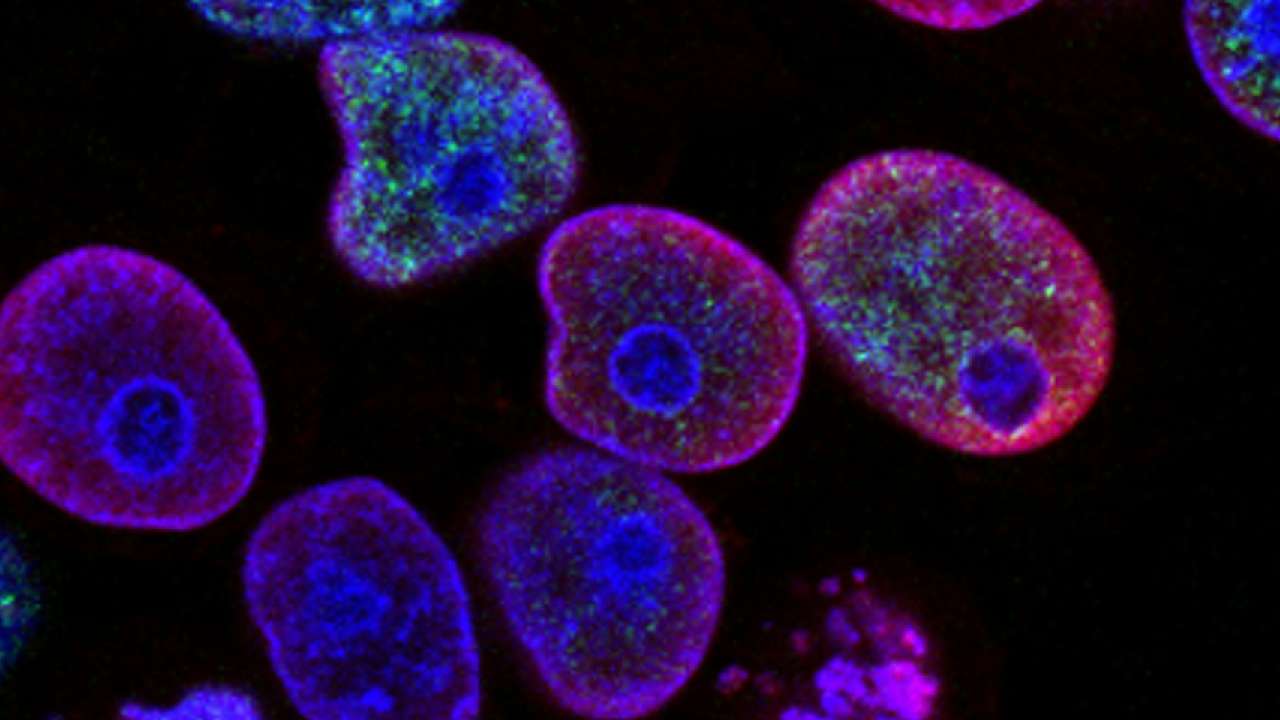
It’s akin to a survival blueprint the cell records and passes to its progeny. This mechanism fosters the emergence of treatment-resistant tumors.
The process illuminates why advanced cancers prove so challenging to treat. Cells effectively “learn” to withstand therapy and retain functional gene activity patterns.
Cancer Treatment May One Day Target a Tumor’s Ability to Adapt
These insights chart a novel course for cancer therapy. Rather than solely addressing a tumor’s present state, treatments may preempt its adaptive capacity.
“Our new model could have profound implications for how we think about treating cancer,” said Dr. Yanai. “Instead of targeting its particular state, as most current therapies do, we may also need to target its ability to adapt. If we can block this AP-1 learning mechanism, we may be able to prevent cancer cells from ever becoming treatment resistant in the first place.”
Researchers intend to employ tools like CRISPR and single-cell sequencing to catalog AP-1 combinations comprehensively. Their goal: identify pairs that confer resistance to particular therapies.
“Our next step is to dissect the AP-1 phosphorylation code,” said Dr. França. “By understanding precisely which AP-1 pairs drive resistance to specific therapies, we can begin to combine conventional cancer therapies with anti-adaptation agents to create treatments that are effective for longer.”
A Similar Mechanism May Also Operate in Healthy Tissue
The AP-1 mechanism extends beyond cancer. Analogous processes contribute to normal functions, such as brain memory formation and skin wound healing.
This broad applicability underscores a fundamental principle of biology, which cancer cells co-opt for persistence.
These discoveries hold potential to revolutionize cancer treatment. Rather than reacting to resistance, future strategies may inhibit tumors’ capacity to adapt from the outset.