You may still picture Neanderthals as our rough, less capable ancient relatives—the ones who disappeared because they simply couldn’t keep up. That familiar story is starting to crumble.
Researchers from Indiana University took a fresh look at estimated brain differences between Neanderthals and modern humans. They posed a question often overlooked: How do those ancient differences stack up against the normal brain variation we see among living people today? The results are eye-opening. In most of the brain regions examined, the differences between Neanderthals and early modern humans were smaller than the differences found between two modern human population samples.
Scientists May Have Overrelied on Skull Shape
Thomas Schoenemann, a professor of cognitive science and anthropology, revisited an assumption that had shaped Neanderthal research for over a century. Scientists examined their skulls and often took one fact as gospel: a differently shaped skull must signal a less capable mind. But a skull is more like a protective casing around the brain than a direct gauge of its owner’s ability to think, plan, speak, or solve problems.
Neanderthal Extinction Theory Flipped:
A major new study calls into question the long-held belief that Neanderthals' brains were to blame for their demise. Researchers found that the brains of living humans differ more substantially from one another than Neanderthal brains… pic.twitter.com/oQfHmpBY9r— Teddy (@TeddyGJ_x) April 28, 2026
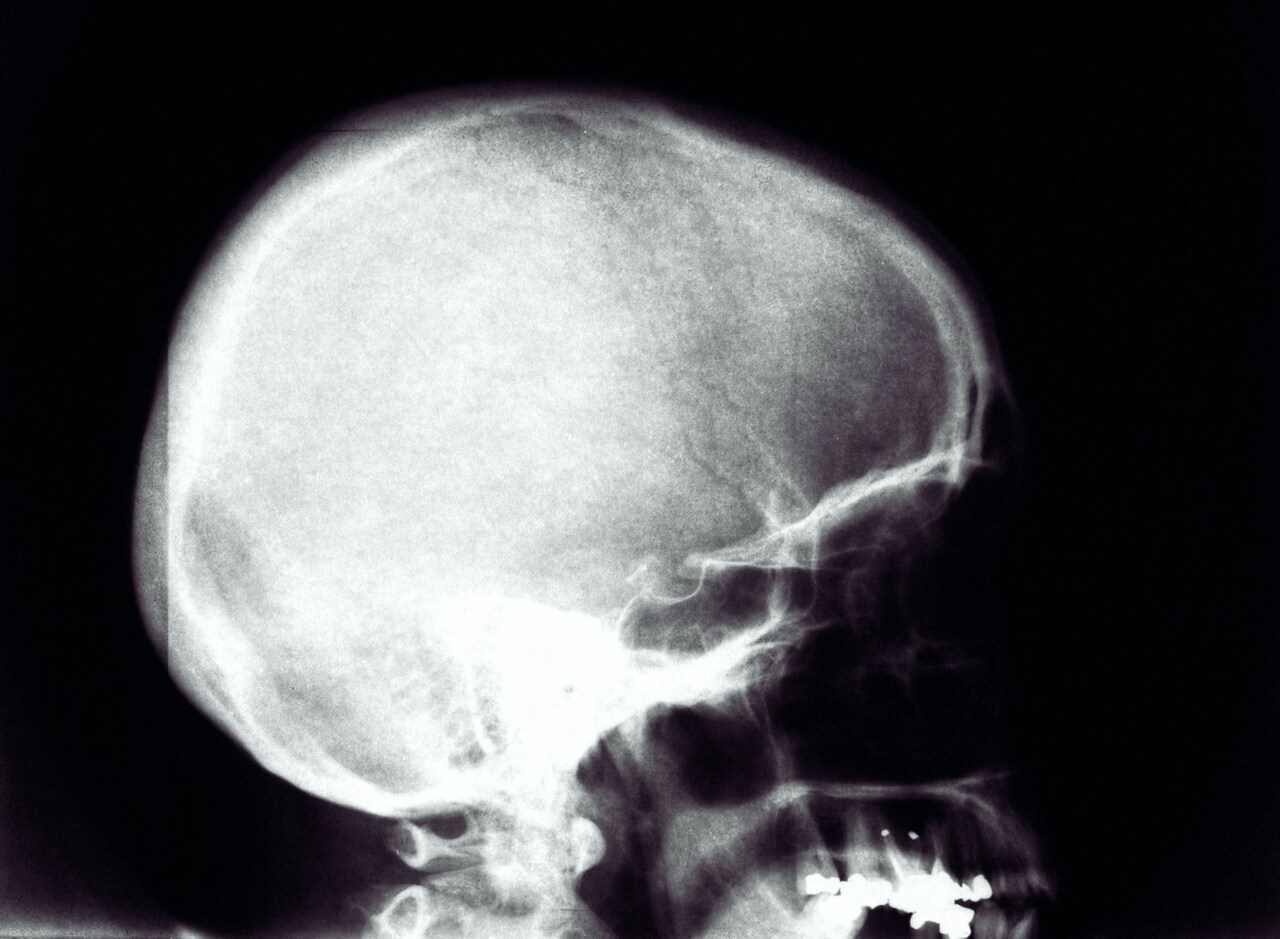
Neanderthal skulls were longer and lower than ours. Modern human skulls are rounder and more globular. From that, some researchers claimed Neanderthals had a less developed cerebellum—a region tied to movement, attention, memory, and language.
“For more than a century, some scientists have looked at Neanderthal skulls and drawn a conclusion that seemed obvious, that a differently shaped brain from modern humans must have meant Neanderthals had a less capable mind,” Schoenemann said.
The flaw? This reasoning skipped a key step. Before deeming the differences significant, scientists needed to measure just how big they really were.
Modern Human Brains Vary More Than You Might Think
Schoenemann and his team compared brain scans from living people. They used MRI data from 200 Americans of European descent and 200 ethnic Han Chinese individuals. They applied the same measurement methods from prior studies that estimated differences between Neanderthal brains and those of early modern humans.
The findings were striking. In nine of the 13 brain regions examined, the differences between those two modern groups were larger than the differences previously reported between Neanderthals and early modern humans.
“The differences between modern human and Neanderthal brains do not meaningfully exceed those among different modern human populations,” Schoenemann said. “Nobody argues that American people and Chinese people are cognitively different in any meaningful sense, evolutionary or otherwise, so why should we assume anything about similar-sized differences between Neanderthals and early modern humans?”
That doesn’t mean all human populations are identical in every anatomical detail. The real takeaway is bigger: Brain anatomy varies naturally among living people, yet we don’t see those differences as proof of profound cognitive gaps. The researchers say we should apply the same skepticism to Neanderthals.
The Predicted Difference Was So Small It Would Barely Show in a Crowd
The team took it further. They estimated how much cognitive difference could realistically stem from the anatomical variations in question. The answer? Negligible. The largest predicted gap was just 0.14 standard deviations.
Put simply, picture lining up 100 Neanderthals against 100 early modern humans. The modern group might edge out with only about five more people above the Neanderthal average.
At the extreme high end of ability, the gap might mean just one extra person.
“It seems likely that any average cognitive differences that existed would have been very subtle, if detectable at all,” Schoenemann said.
That’s a far cry from the old tale of a slow, dim-witted cousin outmatched by sharper Homo sapiens. If any average cognitive edge existed, this study suggests it was minor, with massive overlap between the groups.
Neanderthals Were No Primitive Cavemen
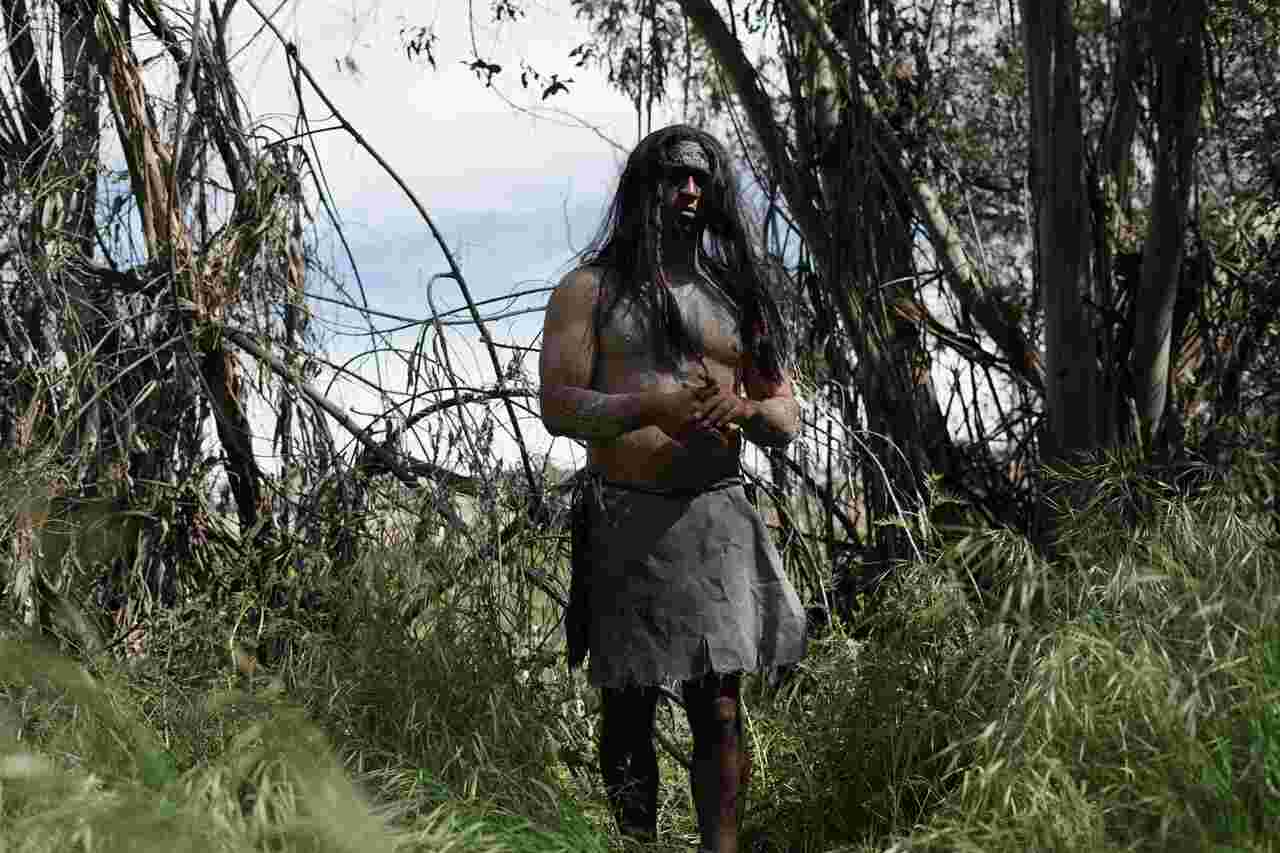
Archaeological evidence has long chipped away at the stereotype of Neanderthals as primitive. They buried their dead, used pigments, crafted sophisticated tools, and possibly made ornaments.
They thrived across Europe and western Asia for thousands of years, enduring Ice Age harshness and adapting to frigid climates. Their stocky builds weren’t a flaw—they were built for survival in a brutal world.
So if brain differences don’t point to a clear cognitive shortfall, why did Neanderthals vanish?
Neanderthals May Have Been Outnumbered, Not Outsmarted
The explanation might be simpler than the myth implies. Neanderthals may not have lost due to inferior brains. They could have been swamped by the swelling ranks of Homo sapiens. Modern humans steadily encroached on Neanderthal territories. Over millennia, even a slight population edge could tip the scales.
Genetics backs this up: the two groups interbred. Most people today carry a small percentage of Neanderthal DNA, so they didn’t disappear without a legacy. Their numbers may have gradually blended and faded through mixing with modern humans, rather than abrupt replacement.
Neanderthal groups were small and scattered. That’s crucial. Isolated bands offer little defense against climate shifts, disease, famine, or new rivals. When you’re already spread thin, it all comes down to sheer numbers.