Next time you toss an artificial sweetener into your coffee, tea, or yogurt, thinking it’s a healthier swap for sugar, think again. A new study suggests it’s not so straightforward. Researchers found that a sucralose-related compound can damage DNA and disrupt the gut’s protective barrier.

It’s not just about what happens after you digest it, either. Scientists at NC State University detected this compound right in off-the-shelf sucralose samples—before anyone even consumes it.
The Real Worry Isn’t Sucralose—It’s a Related Impurity
The team, led by Susan Schiffman, zeroed in on sucralose-6-acetate, not sucralose itself. This impurity can form during manufacturing or in the gut after you ingest sucralose.
This compound alarmed the researchers the most. Lab tests showed it’s genotoxic—in simple terms, it damages cells’ genetic material. They also classified it as clastogenic, meaning it breaks DNA strands.
One Sweetened Drink Could Push You Over the Safety Limit
The authors highlight dosage as a key issue. For potential DNA-damaging substances, regulators watch even tiny amounts closely. The European Food Safety Authority sets a threshold of 0.15 micrograms per person per day.
That’s a minuscule dose. Yet the researchers calculated that just one sucralose-sweetened drink could exceed it. And that’s a lowball estimate—it doesn’t factor in extra sucralose-6-acetate formed during digestion.
“To put this in context, the European Food Safety Authority has a threshold of toxicological concern for all genotoxic substances of 0.15 micrograms per person per day,” Schiffman says. “Our work suggests that the trace amounts of sucralose-6-acetate in a single, daily sucralose-sweetened drink exceed that threshold. And that’s not even accounting for the amount of sucralose-6-acetate produced as metabolites after people consume sucralose.”
The study isn’t claiming one drink will wreck your health. Instead, it flags that even trace levels of this substance warrant serious safety scrutiny.
The Trouble Extends to Gut Health
The team also tested gut effects. Exposing human intestinal tissue to sucralose and sucralose-6-acetate weakened the gut barrier’s integrity—the protective layer keeping gut contents from leaking into the body.
“Other studies have found that sucralose can adversely affect gut health, so we wanted to see what might be happening there,” Schiffman says. “When we exposed sucralose and sucralose-6-acetate to gut epithelial tissues – the tissue that lines your gut wall – we found that both chemicals cause ‘leaky gut.’ Basically, they make the wall of the gut more permeable. The chemicals damage the ‘tight junctions,’ or interfaces, where cells in the gut wall connect to each other.”
Sucralose-6-Acetate Alters Genes Linked to Stress and Cancer
They dug deeper into gene responses too. Sucralose-6-acetate ramped up activity in genes tied to inflammation, oxidative stress, and cancer pathways.
That doesn’t prove it causes cancer. But it shows cells reacting like they’re under chemical attack or damage—shifting into defense mode. The biggest spike hit the MT1G gene.
Alarming Findings, But Not the Last Word
These results raise red flags, but context matters: The work relied on lab tests with cells and tissues, not long-term human trials. It doesn’t mean sucralose users are doomed. It does mean this linked compound has traits that demand attention.
That’s why the authors push for a safety re-evaluation. They argue the evidence is stacking up against viewing sucralose as a risk-free sugar stand-in.
“Our work raises a lot of concerns about potential health effects associated with sucralose and its metabolites. It’s time to revisit the safety and regulatory status of sucralose, because the evidence is mounting that it carries significant risks,” Schiffman says.
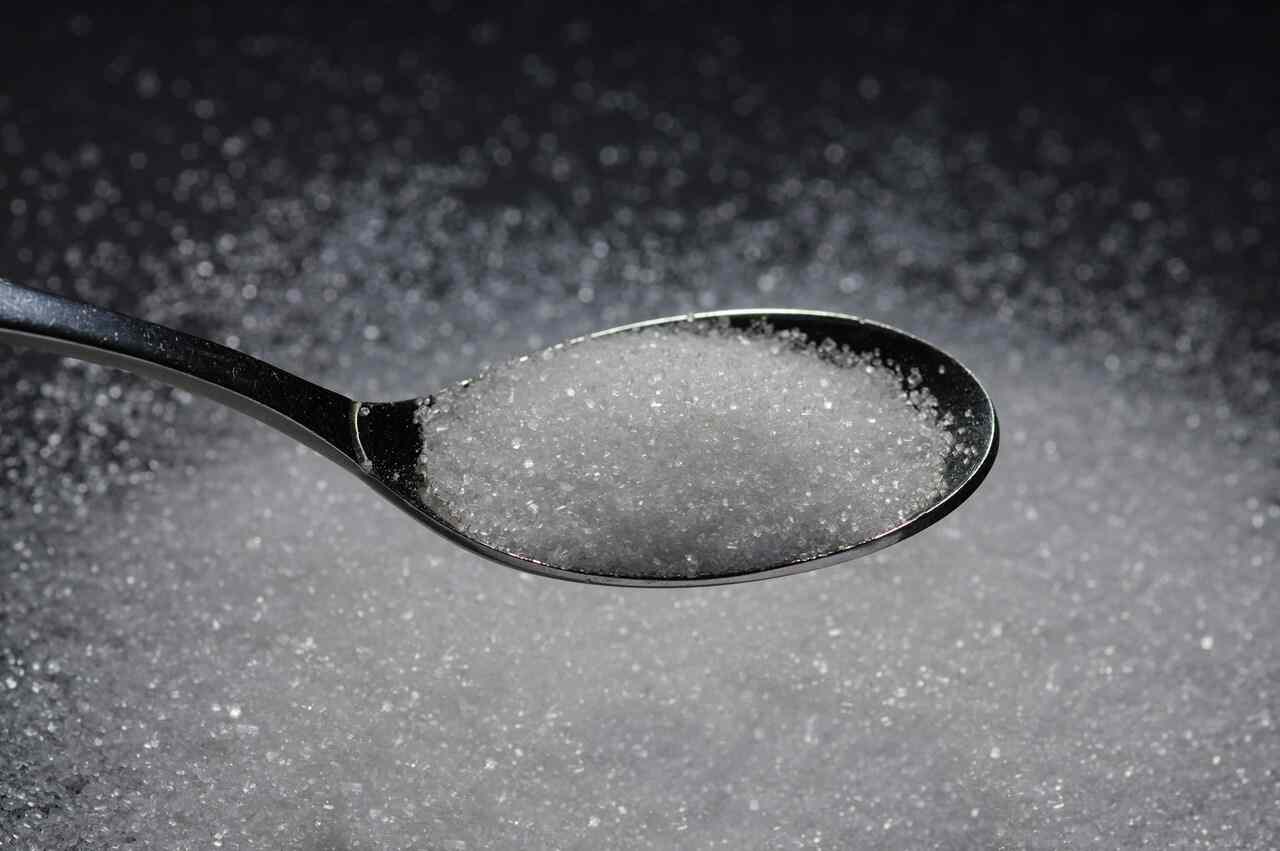
Sucralose is everywhere—one of the world’s top artificial sweeteners. You’ll spot it in sodas, protein shakes, gum, yogurt, and tons of “diet” or fitness foods.