Cancer cells are nutrient hogs—they need tons to grow fast. Glutamine tops the list: it’s an amino acid they burn through to make proteins, DNA, and power cell division. No wonder many tumors are labeled “glutamine addicts.”
But here’s the catch: many tumors have a Plan B and chug along even when glutamine dries up. Researchers at the University of Lausanne just proved vitamin B7 (aka biotin) is the secret sauce in that backup.
Pyruvate Steps In, but Only with Biotin’s Help
Glutamine short? Cells pivot to another pathway. That’s where pyruvate shines—a byproduct from breaking down sugars that fuels energy and builds key molecules.
For pyruvate to work its magic, you need pyruvate carboxylase, an enzyme in the mitochondria (the cell’s power plants). And guess what? It runs on vitamin B7.
No biotin? Enzyme offline, pathway blocked—no glutamine workaround. The team calls biotin a “metabolic license” that unlocks survival mode.
“Without this vitamin, the enzyme is inactive and cells remain stalled. Biotin thus acts as a true ‘metabolic license,’ enabling pyruvate to fuel the cells’ energy cycle and compensate for the lack of glutamine,” the researchers explain.
FBXW7 Mutations Make Tumors Glutamine Junkies
Enter the FBXW7 gene, a classic tumor suppressor that normally brakes cancer growth.
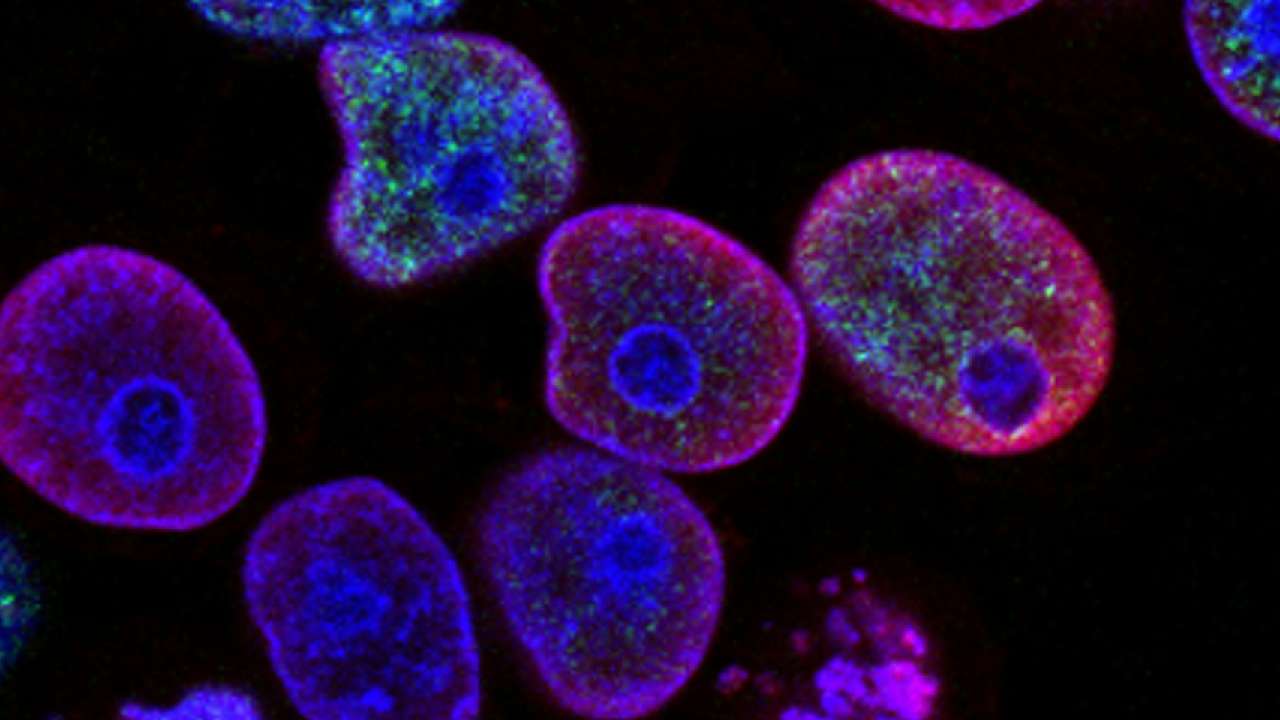
Mutated FBXW7? (Common in some cancers.) Pyruvate carboxylase vanishes, pyruvate flops, and cells cling to glutamine like a lifeline.
“When FBXW7 is mutated — a situation that is frequent in certain cancers — pyruvate carboxylase partially disappears, pyruvate can no longer be used efficiently, and cells become dependent on glutamine,” explains Miriam Lisci, the study’s first author.
They linked real patient FBXW7 mutations straight to this dependency. Big deal: tumor DNA could spotlight treatment targets.
Deeper dive: FBXW7 blocks c-MYC and suppressors to keep pyruvate carboxylase flowing. Working FBXW7 = escape hatch open. Broken? Door slams shut.
Cutting Off Glutamine? Tumors Might Just Switch Lanes
This explains why glutamine-blocker drugs often flop. Tumors adapt—they’re pros at it.
Starve them of one nutrient, and they flip to a backup pathway fast. Lab promise? Real-world bust.
“In the longer term, this research opens up new avenues for better understanding the metabolic vulnerabilities of cancers and for designing innovative therapeutic strategies that take into account the great metabolic flexibility of tumor cells, notably by targeting several metabolic pathways simultaneously,” says Alexis Jourdain, the study’s senior author.
Tumor Achilles’ Heel Spotted—Not a Cure Yet
No, biotin doesn’t “cause” cancer, and yanking it isn’t a fix. But it shows how tumors dodge glutamine shortages via B7 and pyruvate carboxylase.
Single-pathway attacks? Too easy to sidestep. Hit multiples to win.
Tumors vary wildly. Some shrug off nutrient cuts and keep rolling—that’s why treatments click for one patient, crash for another.