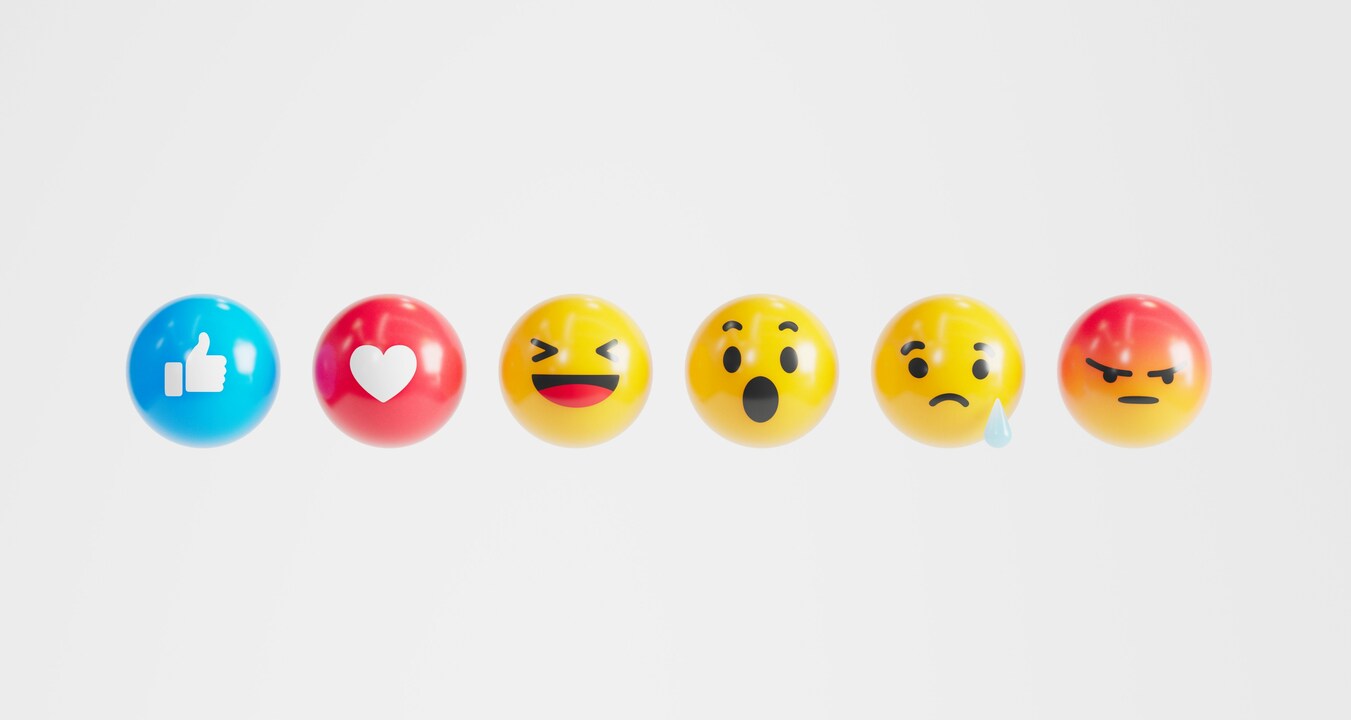
When you see an emoji, your brain doesn’t treat it like a typical picture. Instead, it processes it much like a real face showing emotion. That’s from a study that used EEG to measure brain activity.
One group looked at photos of human faces; the other, emojis. Both sets showed emotions like happiness, anger, and sadness. The brain responses to emojis matched real faces in several key ways.
The Brain Reacts to Emojis in 145 Milliseconds
The neural patterns were almost identical. Brains handled emojis and real faces in the same timeframe: 145 to 160 milliseconds. That’s typical for face-processing areas.
“Our findings showed that viewing emojis elicited neural response patterns similar to those involved in processing real human facial expressions,” said Madeline Molly Ely, a PhD student at Bournemouth University who led the study.
Emojis aren’t just fun digital extras. The brain sees them as real emotional signals.
“Emojis aren’t simply fun additions to digital communication. The brain may process them in ways comparable to genuine facial cues. In this sense, they function as meaningful emotional signals during online interaction,” said Ely.
How Emojis Tap Into Real Face Processing
Emojis activate the same neural pathways as real faces, especially around 170 milliseconds after seeing the image. That’s when facial processing peaks.
Emojis might even be easier to read: their bold, simplified features make emotions stand out. The brain distinguishes happy from sad faster than with subtle real faces.
Real faces vary by person, angle, and texture, but emojis have clear emotional boundaries. Exaggerated mouths, brows, and eyes make it straightforward.
First the Brain Detects a Face, Then It Decodes the Emotion
Researchers tracked two phases of brain activity. The first started at 100-120 milliseconds, peaking around 160. The second ran 350-500 milliseconds.
The early phase handles face detection; the later one processes emotion and context. By then, emoji or photo makes no difference.
So first the brain detects a face, then it decodes the emotion—real or digital.
Emojis Pack Real Emotional Punch
Emojis aren’t just filler in messages. The brain responds to them like real expressions in important ways. That’s why they hit harder in texts than you might think.
Keep in mind, this was a controlled study. Standardized emojis and poses from one database—real life is more chaotic. Still, the key takeaway holds: a screen symbol can trigger our face-reading instincts.
Emojis work because we’re used to them, but also because they tap into deep-wired face and emotion processing. No muscles needed—just pixels.