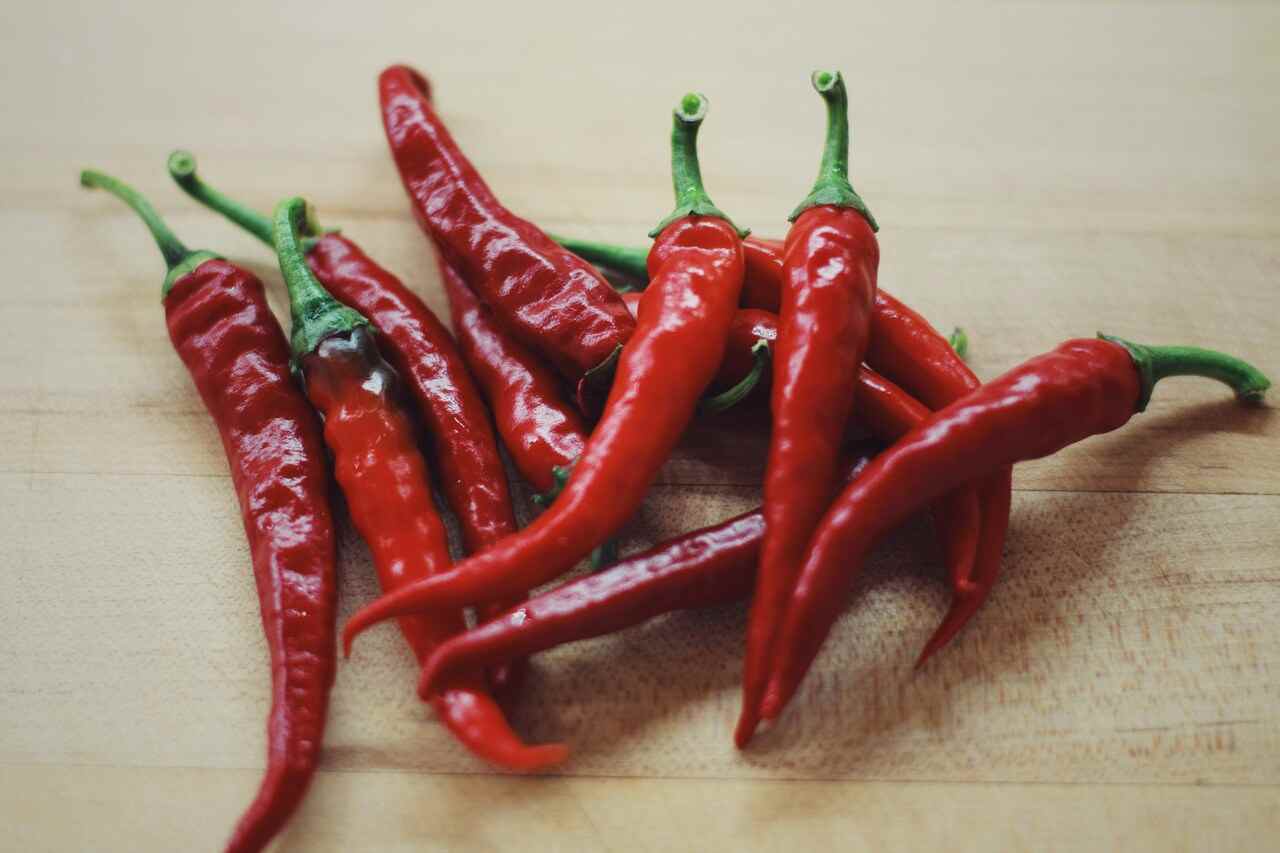
If you like food with a serious spicy kick, this study might catch your attention. Researchers at the University of Vermont found a surprising association: eating hot red chili peppers may be linked to a 13 percent lower risk of death.
The study followed more than 16,000 Americans for up to 23 years. People who ate hot red chili peppers had a 13 percent lower risk of death during the follow‑up period compared with those who avoided them. The strongest association appeared in deaths related to heart disease and stroke.
Behind the Burn Is a Compound That Caught Scientists’ Attention
The key player is capsaicin, the compound that gives chili peppers their heat. Capsaicin activates special receptors in the body known as TRP channels. Researchers believe these receptors may be one of the ways chili peppers affect processes linked to metabolism and blood vessel health.
“Although the mechanism by which peppers could delay mortality is far from certain, Transient Receptor Potential (TRP) channels, which are primary receptors for pungent agents such as capsaicin (the principal component in chili peppers), may in part be responsible for the observed relationship,” say the study authors.
Capsaicin may help trigger processes involved in fat breakdown and body heat regulation. Lower levels of excess body fat are also tied to a lower risk of several health problems, including cardiovascular, metabolic, and lung diseases.
Chili Peppers May Also Affect the Gut Bacteria That Shape More Than You Think
One of the more interesting possibilities involves the gut microbiota. Capsaicin can alter the composition of bacteria in the digestive system, which may influence the body far beyond the gut itself. Previous research has linked changes in gut bacteria to obesity, diabetes, cardiovascular disease, and liver cirrhosis.
Capsaicin also possesses antimicrobial properties that “may indirectly affect the host by altering the gut microbiota,” the authors state.
Capsaicin may also influence pathways involved in inflammation and cell growth. The authors specifically mention NF-κB, an important regulator of cellular processes that is also studied in connection with cancer. Chili peppers also contain nutrients such as B vitamins, vitamin C, and pro‑vitamin A.
Researchers Noticed That Chili Pepper Eaters Had Some Traits in Common
The study also found notable differences between people who ate chili peppers and those who did not. Hot red chili pepper consumers were more likely to be younger men. Paradoxically, they were also more likely to smoke cigarettes, drink alcohol, and have lower income and education levels.
Despite these risk factors, their overall mortality during the follow‑up period was lower. That does not mean chili peppers can erase the negative effects of an unhealthy lifestyle. It does suggest, however, that the association was interesting enough for researchers to keep investigating.
An Older Study From China Found a Similar Signal
The American researchers were not the first to report possible benefits linked to spicy food. In 2015, Chinese researchers published similar findings. The fact that both studies pointed in a similar direction, despite being based on different populations, makes the association harder to ignore.
Together, the studies suggest that spicy food may not be just a cultural preference in one part of the world. It may be part of a broader relationship between diet and health.
The Findings Are Interesting, but Scientists Are Still Cautious
The researchers point out that the study has several limitations. Dietary information was collected only once, so the study could not track how people’s eating habits changed over the years. The data also could not clearly distinguish between different types of chili peppers or between fresh and dried peppers.
The data came from the years 1988 to 1994, meaning eating patterns today may look different. The number of deaths in some specific categories was also too small to draw firm conclusions.
Even with these limitations, the findings were interesting enough for researchers to call for more work. One day, spicy food may even become part of formal dietary guidance, but that would require stronger evidence.
“Because our study adds to the generalizability of previous findings, chili pepper – or even spicy food – consumption may become a dietary recommendation and/or fuel further research in the form of clinical trials,” says Chopan.
For now, chili peppers should not be treated as a secret recipe for a longer life. But the results suggest that behind their fiery taste, there may be more going on than a brief burn on your tongue.