When chatting about obesity in young people, we often blame lack of exercise, screen time, or genetics. But food plays a massive role too—especially the cheap, grab-and-go stuff that seems harmless but teens munch on daily.
A fresh analysis of 155,000 kids aged 10 to 19 reveals it’s no small issue. Teens eating more ultra-processed foods face a 63% higher chance of being overweight or obese than those who don’t.
Recent data shows the problem is worsening
Researchers pooled 23 studies from 16 countries, tracking young people from 2008 to 2025. The results show a strong link between ultra-processed foods and obesity. However, the latest findings from 2024 and 2025 paint an even starker picture.
In those newer studies, teens with high intakes of ultra-processed foods had more than double the risk of being overweight. That’s a massive jump, suggesting these diets hit growing bodies much harder than previously thought.

The pattern holds across Africa, Asia, Europe, North and South America. It’s a global issue, not tied to any single country or culture.
Ultra-processed isn’t just ‘junk food’
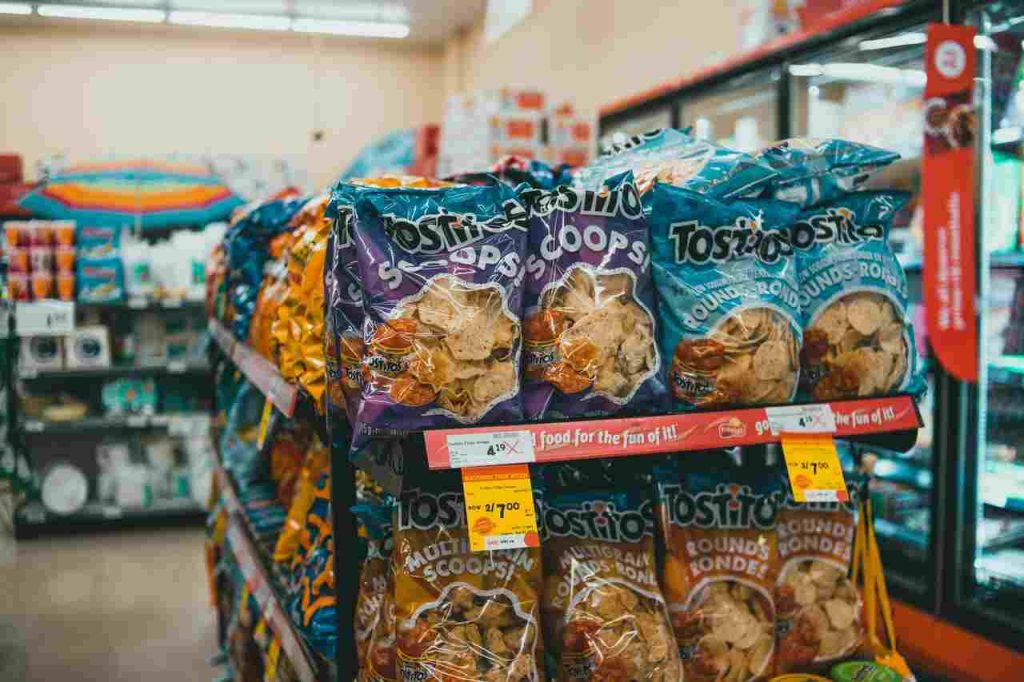
It’s not just about fast-food burgers. These are factory-made products created from extracts, modified substances, or lab-synthesised ingredients. They are often packed with added sugar, salt, unhealthy fats, and additives designed to improve flavour, colour, or shelf life.
This category includes soft drinks, crisps, sweets, ready meals, and some shop-bought baked goods, along with processed meats like sausages and salami. The problem isn’t just the quantity we eat—it’s that these products gradually crowd out the nutrient-dense food our bodies actually need.
Teen years shape lifelong health
Overweight in adolescence isn’t just a phase—it’s often a launchpad for type 2 diabetes, high cholesterol, high blood pressure, and metabolic syndrome later in life.
Puberty involves shifting hormones, increased appetites, and habit formation. Combine that with cheap, tasty, and addictive grub designed to keep you coming back, and it becomes a tough battle. It’s not just about a lack of willpower; it’s about an environment that pushes these products at every turn.
“Higher consumption of ultra-processed foods is associated with a substantially increased risk of overweight and obesity among adolescents, emphasizing the need for early dietary interventions,” states the study published in PLOS One.
Experts: Without change, the crisis will deepen
The researchers urge public health officials to focus more on cutting ultra-processed foods from youth diets. In practice, this means more than just telling kids to “eat healthy.” It requires better education, improved access to fresh food, and policies to curb the aggressive marketing of cheap, low-quality products.
“Improving adolescent nutrition today is essential to protecting long-term population health and reducing healthcare costs associated with obesity-related conditions,” the researchers add.
However, these findings should be taken with a pinch of salt. While scientists see a clear link, this type of research cannot prove that ultra-processed foods are the sole cause. Overall lifestyle, physical activity, and family environment also play crucial roles.
That said, when the same red flag pops up in dozens of studies worldwide, it’s no fluke. It’s a clear signal that teen diets may be damaging their health much sooner and more severely than we ever imagined.