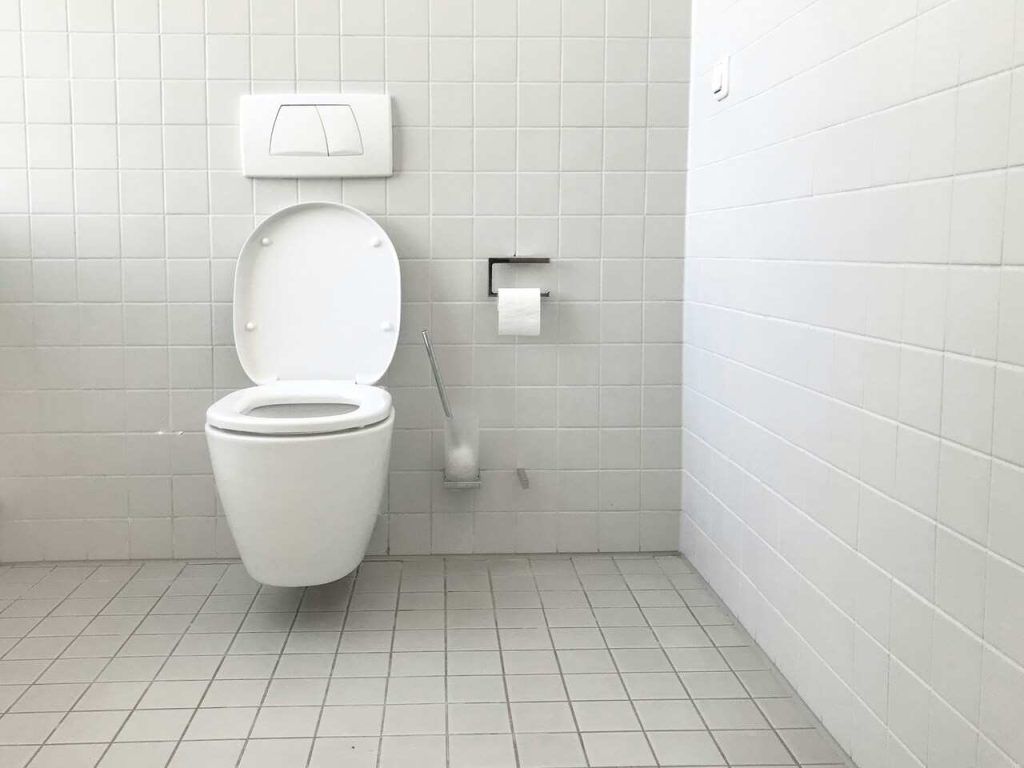
When you stare down a public toilet that looks anything but clean, the toilet seat is probably the first thing that freaks you out. You might skip sitting altogether and hover in a squat, or layer it with toilet paper. But what if we told you the seat might not be the riskiest part of the bathroom after all?
People produce more than a liter of urine and over 100 grams of feces every day. That waste flushes bacteria and viruses into the bowl right alongside it. Things get messier if someone’s got diarrhea — they can release way more harmful microbes. The issue got spotlighted in The Conversation.
A Bacterial Soup Builds Up Faster Than You Think
In high-traffic public toilets that aren’t cleaned enough, a full-on “microbial soup” can brew quickly. Seats and nearby surfaces host all sorts of microbes, some linked to nasty health issues.
The usual suspects are gut bacteria like E. coli, Klebsiella, and Enterococcus, plus viruses such as norovirus and rotavirus. These can trigger gastroenteritis — think vomiting and diarrhea. You’ll also find skin bacteria like Staphylococcus aureus, sometimes in antibiotic-resistant strains.
Parasite eggs and protozoa can cause abdominal cramps, too. Add in biofilms — slimy microbe layers — that form under the rim and on other spots.
Door Handles, Taps, and Flush Buttons Are Often Dirtier Than the Seat
First plot twist: studies show toilet seats often have fewer germs than other bathroom surfaces. Door handles, sink taps, and flush buttons or levers? Way more contaminated.
It’s straightforward — tons of people touch them, often without washing up. In busy spots, toilets see hundreds or thousands of uses weekly. Some get regular cleans, but park, station, or bus stop ones might go a full day (or more) between scrubs.
Flushing Without the Lid Sends a Germ Cloud Flying
The real problem isn’t sitting — it’s flushing. Skip closing the lid, and you create a “toilet plume”: a spray of tiny droplets loaded with bowl bacteria and viruses that can travel up to two meters.
Hand dryers can make it worse. If hands aren’t properly washed, the dryer doesn’t just dry — it blasts microbes around the room, onto you, others, and surfaces.
How Public Toilet Germs Get Into Your Body
Public bathrooms expose you in a few key ways. First: direct skin contact with grubby surfaces like door handles, taps, or seats. Healthy skin blocks most invaders, but cuts or scratches let them in easier.
Second: face-touching. Touch your eyes, mouth, or food pre-wash, and germs enter straight up. In tight or crowded spaces, you might also breathe in plume particles or dryer-blown aerosols.
Using Your Phone in There Is a Terrible Habit
Scrolling on your phone in a public toilet? One of the worst habits. It turns into a germ shuttle, especially from restrooms — then you press it to your face, touch food, set it on tables, or pass it to kids.
“Phones often pick up and carry bacteria, especially if you use them in the bathroom,” researchers warn.
Wipe it down regularly with disinfectant, and better yet, leave it in your pocket.
Paper Towels Beat Hand Dryers
For most healthy folks, sitting on a public seat is low-risk. If it bugs you, swab it with alcohol wipes, grab a seat cover, or add paper layers.
Infections usually stem from unwashed hands, grimy handles, plumes, and phones — not the seat. Focus on hygiene over freakouts.
That means 20 seconds of soap-and-water handwashing, paper towels over dryers, seat wipes if needed, and keeping daily-touch items clean.
Why Hovering Isn’t Great Either
Squatting to avoid sitting strains your pelvic floor, making it tougher to fully empty your bladder and raising splash risks.
Pack wipes or sanitizer for soap-less spots, and you’re golden. The rest? Common sense: thorough handwashing and fearing the touches more than the seat.
This article is based on a piece originally published by The Conversation under a Creative Commons license and has been edited by our editorial team. Read the original article here.