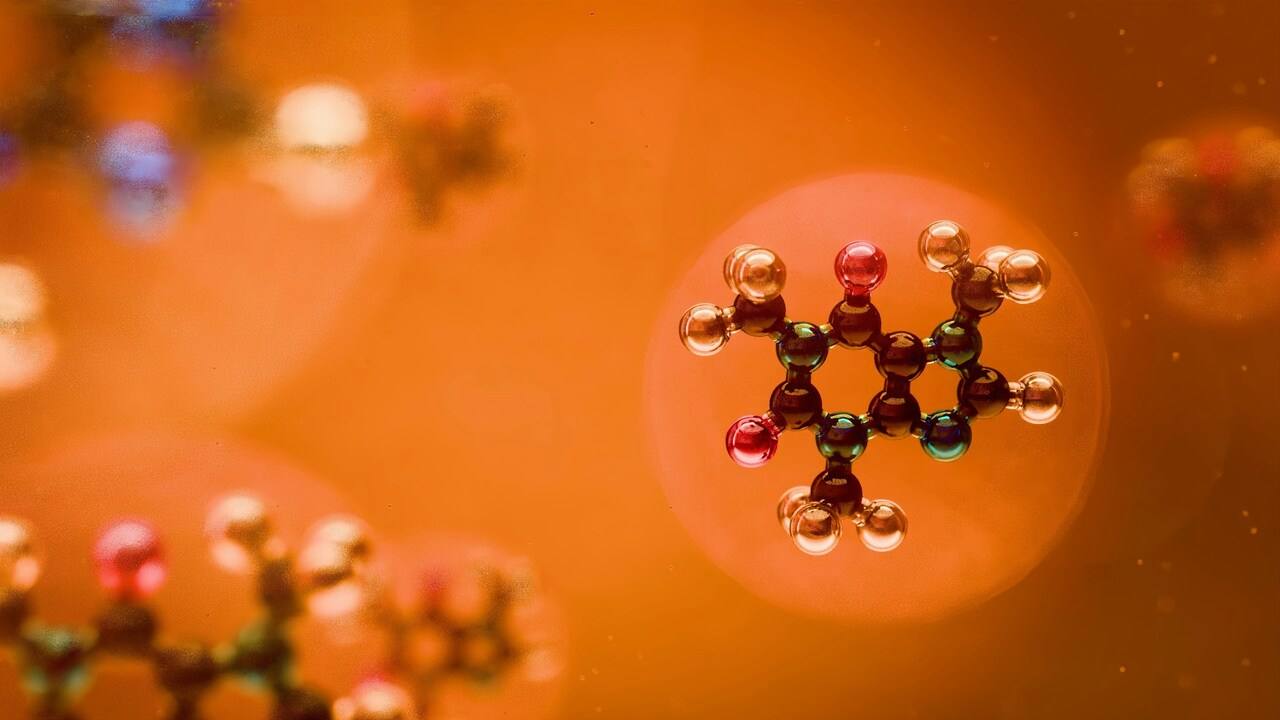
Not all fats are the same. New research from Australia, led by a team of scientists from The University of Queensland, shows that the types of fats in your diet may influence how well your body defends itself against infections and even tumor cells. The researchers found that this difference may be happening directly inside T cells, key players in the immune system.
According to the researchers, it all starts with what ends up on your plate. Dietary fats do more than just provide energy. They also change the fat composition inside T cells themselves. And that, in turn, helps determine whether these cells become more resilient or more vulnerable.
Why some fats make T cells more resistant
The study found that when the ratio of polyunsaturated fats to monounsaturated fats was lower, T cells were more resistant to cell death. The problem is that some fats oxidize more easily. Once these oxidized fats begin to build up, they can damage the cell’s outer membrane and effectively destroy it.
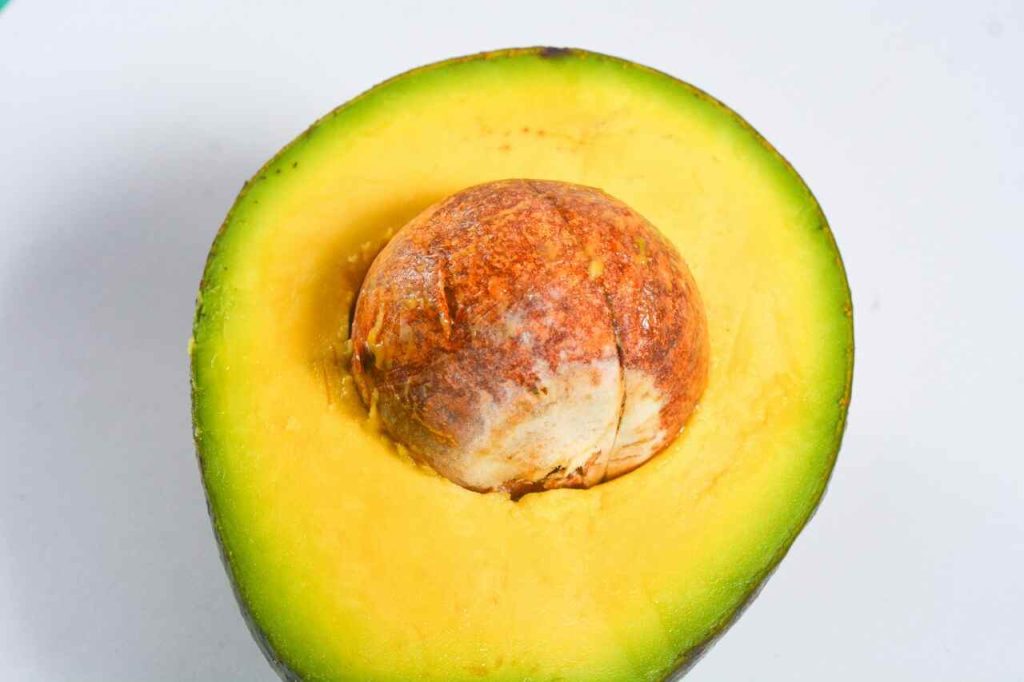
Put simply, not all fats behave the same way inside immune cells. Polyunsaturated fats, like those in fatty fish and soybeans, are chemically more prone to oxidation. Monounsaturated fats, such as in olive oil and avocados, are more stable. This helps create conditions in which T cells stay resilient.
“The types of fats you eat change the fat composition inside your T cells, and those changes can make T cells either weaker or stronger in terms of immune protection,” said Professor Di Yu of the Frazer Institute.
Stronger T cells: Boost for antibodies and cancer figh
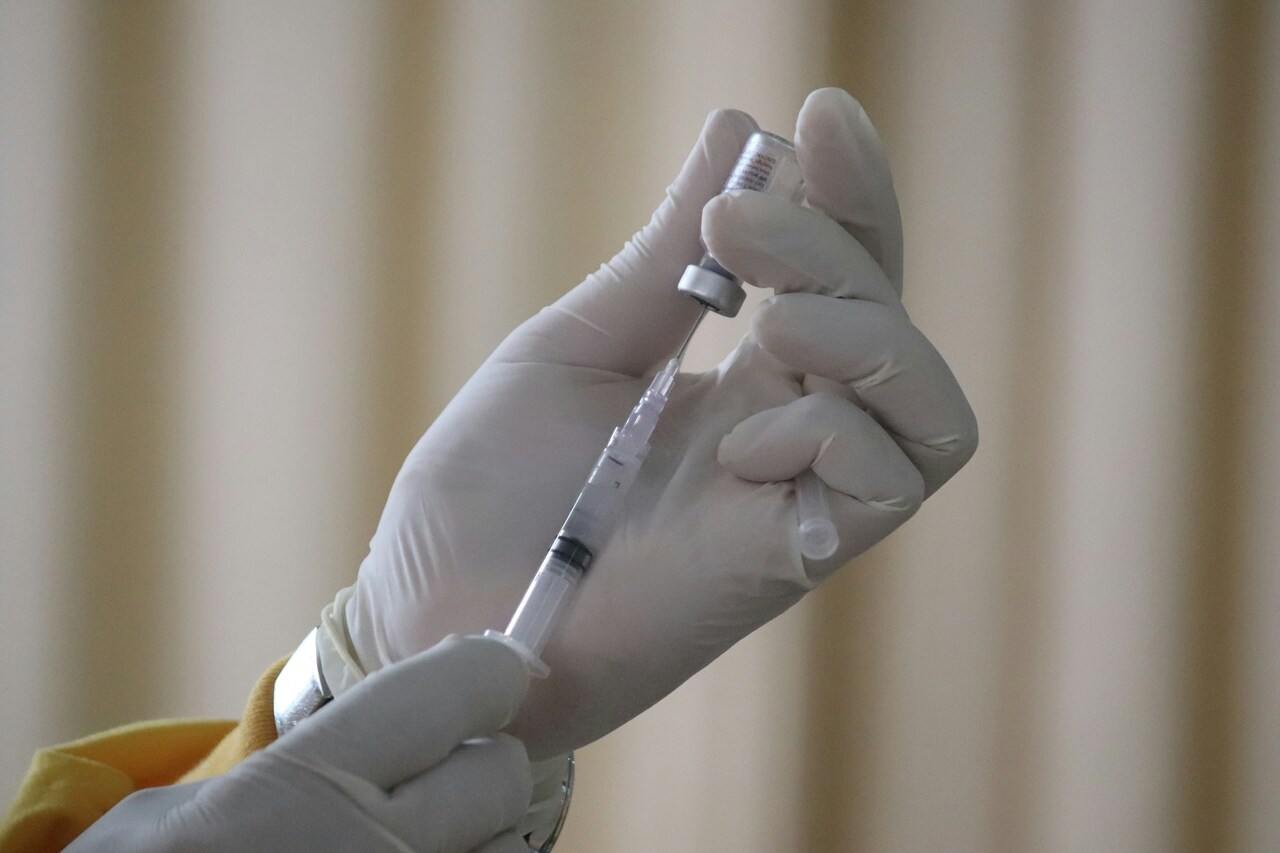
When T cells are better protected from oxidation-driven damage, they function more effectively. The researchers highlight so-called follicular helper T cells, which help the body produce antibodies. This suggests that vaccine effectiveness could one day be improved through diet.
The findings are also intriguing for cancer research. More resilient T cells were better able to multiply and actively attack tumors. According to the authors, experimental models suggest that changing dietary fats could improve cancer treatment success and prolong survival.
Olive oil, avocados, fish, and soy: Fats compared
Monounsaturated fats include foods such as olive oil and avocados. Polyunsaturated fats, meanwhile, are in fatty fish and soybeans. What matters is that the study does not claim one type of fat is simply bad and the other good. Instead, it suggests that the balance between them plays a key role in T-cell resilience.
The researchers also openly acknowledge that the ideal ratio of these fats in the diet is still unknown. That means it is too early for precise dietary recommendations, and more research is needed to determine exactly what role different fats play in T-cell death.
“In the future, optimizing a patient’s diet and targeting lipid metabolism could represent an easily accessible way to strengthen our immunity,” Professor Yu explained.
What this reveals about immunity
This discovery matters because it points to a specific mechanism showing how diet can directly affect immune function. It goes beyond the broad claim that healthier food is good for you—now we know how fats from food enter immune cells and alter their resilience.
Lipid metabolism is therefore emerging as a far more important part of immunity than previously believed. It directly affects whether T cells can survive, multiply, and respond effectively when needed.
In the future, dietary changes could become a complementary tool alongside vaccination or immunotherapy. But that does not mean simply reaching for olive oil and avocados will automatically strengthen your immune system. Rather, the study points to a new direction in medicine and nutrition science.
In other words, what you eat may influence more than just your weight or cholesterol levels. It may reach deeper, all the way into the cells that help determine how successfully your body responds to disease.